What Are the Benefits of Limewash Paint?
What Are the Benefits of Limewash Paint?
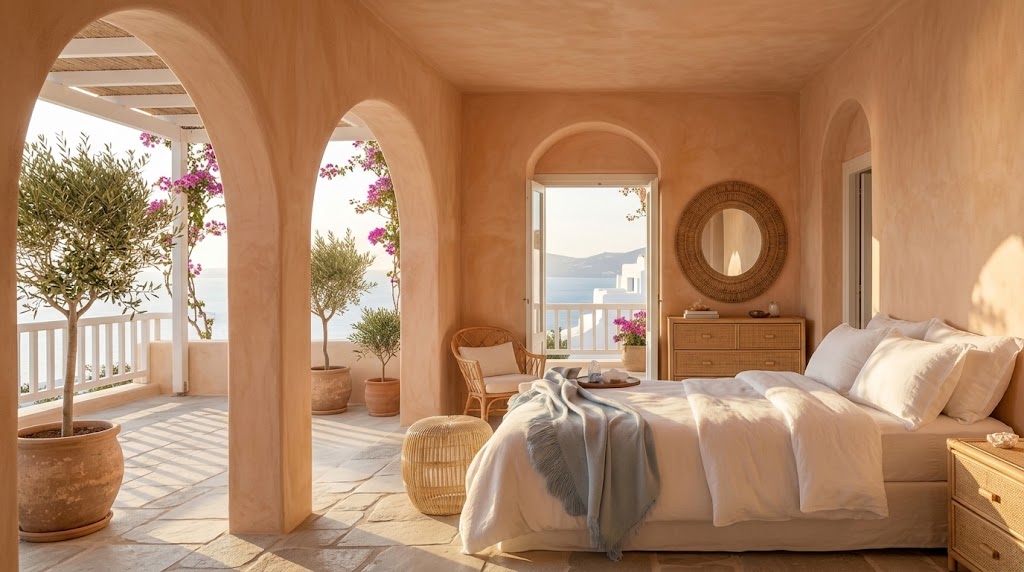
Limewash paint is a mineral based wall finish known for its soft, cloud like movement, matte depth, and naturally aged character. Unlike many conventional paints that sit as a sealed film on the surface, limewash bonds with suitable porous materials and creates a finish that feels organic rather than flat. The biggest benefits of limewash paint include visual texture, breathability, low sheen elegance, and a timeless look that works in both traditional and modern spaces.
Why choose limewash paint for your walls?
Choose limewash paint if you want walls with gentle variation, natural depth, and a finish that feels warmer than standard flat paint. It is especially appealing for homeowners and designers who want subtle movement without wallpaper, heavy plaster, or a highly decorative faux finish. Because limewash has a mineral composition and a distinctive matte appearance, it can make a room feel calm, layered, and lived in from the first coat.
Limewash is often associated with old world interiors, stone buildings, and Mediterranean style surfaces, but it is not limited to rustic spaces. In a contemporary room, its softness can balance sharp lines, smooth furniture, and minimalist architecture. In a traditional room, it can enhance character without making the space feel overly polished.
One of its strongest qualities is that it changes slightly with the light. Morning sun, evening shadows, and artificial lighting can all reveal different tones in the same wall. That subtle shift is part of the appeal: the surface feels alive, but not busy.

The visual benefits of limewash paint
The most noticeable benefit is the finish itself. Limewash texture is not rough in the way heavy plaster can be, but it has visual movement created by layered brushwork, mineral variation, and the way the coating dries into the surface. Instead of a uniform block of colour, you get a soft wash with tonal highs and lows.
This makes limewash useful when a room needs interest but not clutter. A single limewashed wall can act as a quiet focal point, while a full room application can create a cocoon like effect. The result depends on the colour, application method, surface, and number of coats.
Common visual advantages include:
- Soft depth: The colour appears layered rather than flat, giving walls a more dimensional quality.
- Matte elegance: Limewash typically has a low sheen finish that reduces glare and feels understated.
- Natural variation: Brush marks and mineral movement create a handcrafted look.
- Timeless character: The finish can look historic, modern, earthy, or refined depending on the setting.
- Colour softness: Even deeper shades can feel muted and atmospheric rather than harsh.
If you have ever painted a room only to feel that the colour looks too solid or new, limewash can solve that problem. Its irregularity is not a flaw; it is the feature that gives it personality.
A breathable paint for suitable surfaces
Another major reason people choose limewash is breathability. A breathable paint allows moisture vapor to move through the surface instead of trapping it behind a tight, synthetic film. This can be especially relevant on traditional masonry, plaster, brick, stone, and other porous mineral surfaces.
That does not mean limewash is automatically right for every wall. Modern drywall, previously sealed surfaces, glossy paints, and nonporous substrates may need specific preparation or a compatible primer before limewash can perform as intended. The surface matters, and skipping prep can lead to poor adhesion or uneven results that are not the beautiful kind of uneven.
When used in the right setting, breathable paint can support the natural behaviour of older or mineral based walls. It also helps preserve the authentic look of materials that were never meant to be sealed under plastic like coatings. For historic homes or character rich interiors, that can be both practical and aesthetic.
How does limewash texture change a room?
Limewash texture changes a room by adding movement, softness, and a sense of age without adding physical bulk. It can make a plain wall feel intentional, help large surfaces look less empty, and create a background that feels more curated than a standard painted finish. The effect is usually subtle, but it can shift the entire mood of a space.
In bedrooms, limewash often brings a restful, enveloping feeling. In dining rooms or entryways, it can create atmosphere and make the space feel more designed. In living rooms, it works well behind art, built ins, or simple furniture because it adds depth without competing for attention.
The texture is also forgiving visually. Small imperfections may blend into the overall movement better than they would under a smooth, high sheen paint. However, limewash is not a magic fix for damaged walls. Cracks, holes, and unstable surfaces should still be repaired before painting.
Practical advantages and realistic expectations
The benefits of limewash paint are strongest when you understand what the finish is meant to do. It is not designed to look perfectly uniform. It is not usually the best choice if you want a scrub resistant, glossy surface in a high splash area. It is designed for mineral beauty, tonal depth, and a natural looking finish.
Before choosing limewash, keep these practical points in mind:
- Sample before committing. Limewash can dry lighter, darker, or more varied than expected depending on the wall and lighting.
- Plan for movement. The final look depends on brush direction, coat thickness, and application style.
- Check compatibility. Porous, mineral surfaces are ideal, while sealed or modern surfaces may require preparation.
- Expect variation between coats. The second coat often deepens the texture and softens the first coat’s irregularities.
- Use it where the finish makes sense. Bedrooms, living areas, feature walls, fireplaces, and dining rooms are often better candidates than constantly wet or heavily scrubbed surfaces.
This is why limewash feels different from ordinary paint. The process is part of the result. You are not just covering a wall; you are building a finish.
Where limewash paint works especially well
Limewash can be used in many design styles, but it is particularly effective in spaces where atmosphere matters. It pairs beautifully with natural materials such as wood, linen, clay, stone, leather, wool, and aged metals. It also works well with simple colour palettes because the wall itself adds enough variation to keep the room from feeling plain.
Consider limewash for:
- A bedroom that needs a softer, calmer backdrop
- A living room feature wall with understated texture
- A dining room where you want a warm, intimate mood
- A fireplace surround or masonry detail, if the surface is suitable
- A hallway or entry that needs character without heavy decoration
- A neutral interior that feels too flat with standard paint
Colour choice plays a major role. Warm whites, taupes, greiges, muted greens, clay tones, and soft charcoals are popular because they highlight the mineral movement without overwhelming the room. Still, the best shade is the one that works with your light, flooring, furnishings, and overall style.

Limewash brings character without excess
Limewash paint is a strong choice when you want walls that feel natural, layered, and quietly expressive. Its breathable qualities, mineral matte finish, and distinctive limewash texture set it apart from conventional wall paint. It can make new spaces feel warmer, older spaces feel more authentic, and simple rooms feel more complete.
The key is to choose it for the right reasons. If you want perfect uniformity, another finish may suit you better. But if you value softness, movement, and a handcrafted look, the benefits of limewash paint are hard to ignore. With thoughtful colour selection, proper surface preparation, and realistic expectations, limewash can turn ordinary walls into one of the most memorable elements in a room.