What Is the Difference Between Limewash and Regular Paint?
Difference between limewash and regular paint
Choosing between limewash and regular paint is really a choice between two different looks, two different surface behaviours, and two different ways of living with your walls. Limewash gives a soft, mineral, subtly mottled finish, while regular paint is usually selected for predictable colour, coverage, and durability. If you are comparing options for an Australian home, studio, shop, or renovation project, understanding how each finish works will help you choose with confidence.

What is the difference between limewash and regular paint?
The Difference between limewash and regular paint comes down to composition, appearance, and performance. Limewash is traditionally made from slaked lime, water, and mineral pigments, creating a breathable finish that bonds into porous surfaces rather than sitting on top as a sealed film. Regular paint, by contrast, generally forms a coating over the wall, offering more uniform colour and a wider range of sheens.
This is why limewash vs paint is not just an aesthetic debate. Limewash creates movement, depth, and a naturally aged character, especially when applied in layers with a brush. Regular paint is more controlled: you can usually expect flat, low sheen, satin, semi-gloss, or gloss results depending on the product. Both can look beautiful, but they suit different surfaces, rooms, and design goals.
Limewash creates texture, softness, and depth
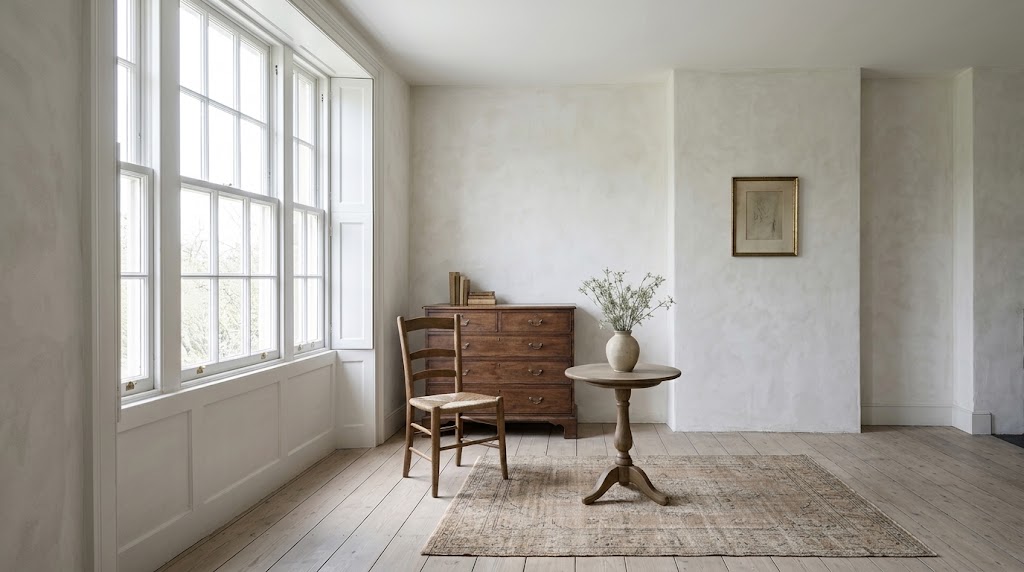
Limewash is loved for its gentle variation. Instead of producing one perfectly even block of colour, it catches the light in different ways, giving walls a chalky, cloud-like finish. The effect can feel relaxed, earthy, and quietly luxurious, which is why it is often used in Mediterranean-inspired interiors, heritage homes, coastal spaces, and contemporary minimalist rooms that need warmth.
Another key quality is breathability. Because limewash is mineral-based and does not behave like a plastic film, it can allow moisture vapour to pass through suitable surfaces. This can make it appealing for older masonry, rendered walls, and natural building materials, provided the surface is compatible and prepared correctly.
For people searching for limewash australia or lime wash australia, the main thing to check is whether the product is suited to local conditions, your substrate, and your intended room. Australian homes can vary widely, from brick and render to plasterboard and previously painted surfaces, so preparation matters as much as colour.
Regular paint offers consistency and practical control
Regular wall paint remains popular because it is familiar, versatile, and easy to specify. It is available in a broad colour range and many paint finish types, making it useful when you want a specific sheen, a wipeable surface, or a crisp modern look. For many busy households, rental properties, commercial interiors, and high-traffic areas, that predictability is a major advantage.
A good paint system can also hide imperfections, cover previous colours, and deliver a clean finish with relatively straightforward application. Depending on the product, regular paint may be washable, stain-resistant, mould resistant, or designed for kitchens, bathrooms, trims, ceilings, and exterior surfaces. That makes it a practical choice when performance requirements are more important than handcrafted texture.
The trade-off is that regular paint can sometimes feel flatter visually. Even premium matte paints usually aim for consistency, while limewash celebrates variation. If your goal is a perfectly even finish, regular paint is likely to feel more comfortable. If you want atmosphere and visible movement, limewash may be the stronger choice.
Which finish suits your space best?
The best finish depends on your surface, lifestyle, and the mood you want to create. Limewash suits spaces where softness, tactility, and natural variation are part of the design brief, while regular paint suits areas where durability, easy cleaning, or colour precision are essential. There is no universal winner; the right answer is the one that works for the room.
Consider limewash if you want:
- A soft, mineral, matte look with natural tonal variation.
- A finish that feels warm, organic, and handcrafted.
- Subtle movement on feature walls, bedrooms, living rooms, or calm retail spaces.
- A breathable coating for suitable porous surfaces.
- An eco friendly paint alternative with a more natural character, subject to the specific product formulation.
Consider regular paint if you need:
- A smooth and uniform colour result.
- A washable or scrubbable finish for family areas, kitchens, halls, or children’s rooms.
- A defined sheen such as matte, eggshell, satin, semi gloss, or gloss.
- Fast, familiar application over standard interior surfaces.
- Easier touch ups where exact consistency is important.
Surface preparation changes everything
Limewash and regular paint both rely on preparation, but they ask for different things. Limewash performs best on porous, mineral based surfaces such as lime plaster, cement render, brick, stone, or compatible primers designed for lime finishes. If the surface is sealed, glossy, or coated with incompatible paint, the limewash may not bond as intended.
Regular paint is often more forgiving because primer systems can bridge a broader range of substrates. Even so, it still needs a clean, dry, sound surface. Dust, peeling paint, oil, mould, and moisture problems should be dealt with before painting, regardless of the finish you choose.
A practical approach is to test first. Apply a sample patch, let it dry fully, and view it in morning, afternoon, and evening light. Limewash in particular can shift in appearance as it cures and as light moves across the wall, so a small test area can prevent expensive surprises.
Is limewash an eco friendly paint choice?
Limewash is often considered an eco friendly paint option because it is mineral-based, low in synthetic ingredients compared with many conventional coatings, and known for its breathable qualities. However, “eco friendly” should always be assessed product by product, not assumed from the category alone. Ingredients, pigments, packaging, transport, surface primers, and application methods all affect the overall environmental picture.
If sustainability is a priority, read the technical information rather than relying only on marketing language. Look for details about VOC content, mineral composition, recommended primers, clean-up requirements, and suitable applications. Brands and suppliers such as la rosa colours can help homeowners and designers think through colour, finish, and practical suitability when exploring limewash-style interiors.
Choosing colours and finishes with confidence
Colour behaves differently across finish types. A flat acrylic paint, a satin enamel, and a limewash in the same general colour family may all feel different once applied. Limewash tends to create lighter and darker movement, so the final wall can appear more layered than a standard swatch suggests.
Before committing, gather physical samples and view them in the actual room. Natural light, artificial lighting, flooring, cabinetry, and nearby fabrics can all change how a colour reads. Warm neutrals may feel creamy in one room and yellow in another; greys may shift blue or green; earthy pinks and terracottas can deepen beautifully under low evening light.
A simple selection process helps:
- Decide whether you want texture or uniformity first.
- Check whether your wall surface is suitable for limewash or needs a specific primer.
- Narrow your colour palette to three or four options.
- Apply sample patches in different parts of the room.
- Assess the finish over several days before buying the full quantity.
The final takeaway
Limewash brings atmosphere, mineral texture, and gentle imperfection, while regular paint offers consistency, durability options, and familiar application. If you are weighing up limewash vs paint, start with the room’s function, the surface you are coating, and the feeling you want the space to have.
For calm, characterful interiors, limewash can be a beautiful choice. For high use areas or projects needing exact colour and sheen control, regular paint may be more practical. Either way, testing samples and choosing the right preparation system will do more for the final result than any trend ever could.