Why Does Limewash Paint Have a Cloudy, Textured Appearance?
Why Does Limewash Paint Have a Cloudy, Textured Appearance?
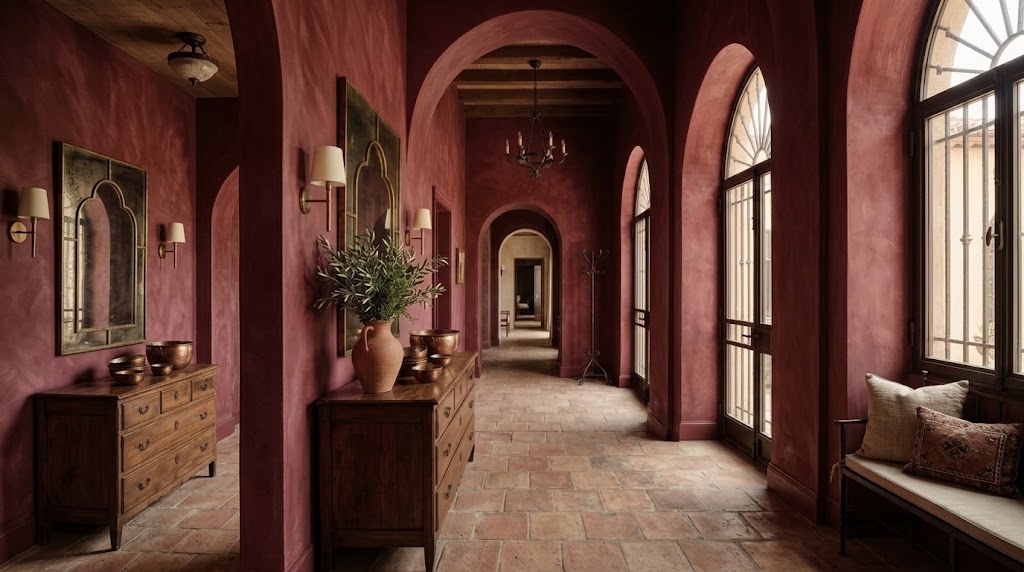
Limewash paint has its signature cloudy, softly textured look because it is mineral based, breathable, and applied in thin, layered strokes rather than as a flat plastic like film. Instead of hiding the surface completely, limewash reacts with the wall and dries with subtle tonal movement, creating depth that changes with light. For homeowners exploring limewash walls, this natural variation is the feature, not a flaw.
Why does limewash paint have a cloudy, textured appearance?
Limewash paint looks cloudy and textured because it is made with slaked lime, mineral pigments, and water, which absorb into porous surfaces and cure through a natural carbonation process. As it dries, the finish develops soft highs and lows in colour, especially where brush strokes overlap or the wall absorbs more product in one area than another. This is what gives limewash paint texture its relaxed, chalky, timeworn character.
Unlike standard acrylic paint, which usually forms a consistent coating on top of a wall, limewash becomes part of the surface. The result is less uniform, but far more atmospheric. It can look misty, velvety, mottled, or stone-like depending on the colour, wall preparation, brush technique, number of coats, and lighting in the room.

The natural chemistry behind the finish
Traditional limewash begins with limestone that has been processed into lime, then combined with water and pigments. When applied to a suitable surface, it does not simply dry by evaporation. It slowly cures as it absorbs carbon dioxide from the air, turning back toward a limestone like mineral finish.
That curing process is one reason the appearance can feel alive. The surface may look slightly different while wet, partly dry, and fully cured. Deeper patches, pale areas, and soft movement across the wall are all part of the mineral finish developing.
This is also why limewash texture is difficult to replicate with ordinary paint. Standard paints can imitate the colour, but they often lack the mineral bloom, matte depth, and gentle irregularity that make real limewash so appealing.
Brushwork creates movement and depth
The cloudy effect is not only about the paint itself. Application plays a major role. Limewash is commonly applied with a wide brush in loose, overlapping strokes, often in crisscross, vertical, or sweeping patterns. These strokes remain subtly visible once the wall cures.
That may sound intimidating, but it is part of the charm. The goal is not a perfectly even coat. The goal is a balanced, organic surface where the eye can travel across soft variations in tone.
For a more refined result, keep these application principles in mind:
- Work in thin coats. Heavy application can look patchy rather than softly layered.
- Maintain a wet edge. This helps avoid harsh stop-start marks.
- Use relaxed, consistent brush movement. Your hand creates the final texture.
- Step back often. Limewash is best judged from normal viewing distance, not only up close.
- Allow proper drying time between coats. The finish evolves as it cures.
Brands and colour studios such as la rosa colours often focus on this natural movement because it is what gives limewash walls their handcrafted look.
Surface preparation affects the final look
The same limewash can appear different from wall to wall because the substrate underneath matters. Porous surfaces absorb limewash more readily, which helps the coating bond and develop its mineral texture. Less porous or previously painted surfaces may need a suitable primer or preparation layer so the limewash can perform as intended.
If the surface absorbs unevenly, the finished wall may show stronger tonal variation. Sometimes that creates beautiful depth; other times it can look unbalanced if the wall was not prepared well. This is why preparation is not just a technical step. It directly influences the visible result.
Before starting, it is worth checking:
- Is the wall clean and sound? Dust, grease, and flaking paint can interrupt the finish.
- Is the surface porous enough? Limewash needs the right base to grip properly.
- Are repairs fully dry and blended? Patches can absorb differently and show through.
- Has the right primer been used if needed? This can help create a more consistent foundation.
- Have you tested the colour? Limewash often reads differently once layered and cured.
Why colour looks different in limewash
Colour behaves differently in limewash because the finish is ultra matte and mineral rich. Light does not bounce off it in a glossy, uniform way. Instead, it scatters softly across the textured surface, which can make colours appear deeper in shadow, paler in bright light, and more nuanced throughout the day.
This is why warm neutrals, earthy pinks, soft greys, clay tones, and muted greens can look especially beautiful in limewash. They do not sit flat on the wall. They shift gently, adding warmth and dimension without needing bold decoration.
For anyone searching for limewash Australia or lime wash Australia inspiration, it helps to view colours in the actual room before committing. Australian interiors can have strong natural light, shaded corners, open plan spaces, and varied materials such as timber, stone, plaster, or brick. A sample lets you see how the colour and texture respond to your own setting.

Is a cloudy limewash finish a problem?
A cloudy limewash finish is usually not a problem, it is the expected appearance of the material. The finish is meant to show tonal variation, brush movement, and gentle texture. However, there is a difference between natural cloudiness and avoidable patchiness.
Natural cloudiness looks soft, layered, and balanced across the wall. Problem patchiness may look like hard edges, roller marks, obvious lap lines, shiny spots, or random stains. Those issues usually come from poor preparation, uneven application, incompatible surfaces, or applying coats too thickly.
If you want the beauty of limewash without an overly rustic look, aim for subtle colours and controlled brushwork. A pale neutral limewash paint texture will usually feel calmer than a high contrast shade. Multiple thin coats can also create a more cohesive finish while still keeping the mineral movement visible.
How to style limewash walls naturally
Limewash walls work well when the rest of the room allows the texture to breathe. Because the wall already has movement, you do not need to overfill the space. Natural materials, soft textiles, and simple shapes tend to complement the finish best.
Try pairing limewash with:
- Linen curtains, cotton bedding, or wool throws for softness.
- Timber furniture to enhance warmth and organic character.
- Stone, ceramic, or handmade décor for a layered natural palette.
- Warm wall lights or lamps to bring out the evening texture.
- Minimal artwork so the wall finish remains part of the design.
The effect can be calm and contemporary, rustic and earthy, or elegant and old world depending on the colour and styling. That flexibility is one reason limewash has become popular in modern interiors while still feeling timeless.
Choosing the right limewash look
The best limewash finish starts with deciding how much texture and movement you want. Some people love a dramatic, cloudy surface with visible brushwork. Others prefer a quieter wash that gives depth without becoming the main feature.
When choosing, consider the room’s purpose. Bedrooms and living rooms often suit softer tones because the texture creates a restful backdrop. Entryways, dining areas, and feature walls can handle stronger colour or more visible movement. If you are working with la rosa colours, look for shades and finishes that suit both the architecture of the space and the mood you want to create.
A test patch is always useful because limewash is experiential. You need to see it in your light, against your flooring, beside your furniture, and at different times of day.
The beauty is in the variation
The cloudy, textured appearance of limewash paint comes from its mineral makeup, curing process, porous bond, and hand applied layers. Rather than creating a flawless flat surface, it brings depth, softness, and natural movement to interior walls.
If you want walls that feel calm, tactile, and quietly expressive, limewash is worth considering. Its charm lies in the fact that no two walls look exactly the same, and that gentle imperfection is precisely what makes the finish so enduring.