
How to Apply LaRosa Limewash to Render
Preparation and Application Guide:
Render is a plaster like coating applied to interior and exterior walls. It can be smooth or textured and is often slightly more durable and rougher than traditional plaster. Because render is naturally porous, it’s an excellent surface for LaRosa Limewash. The paint can absorb into the surface, allowing the wall to remain breathable while enhancing its natural texture and character. When applied to suitable, absorbent render, no undercoat or topcoat is usually required.
This guide explains how to:
- Limewash interior render walls
- Limewash exterior render walls
- Prepare render before painting
- Apply LaRosa Limewash for the best finish
- Care for and maintain your limewashed surface
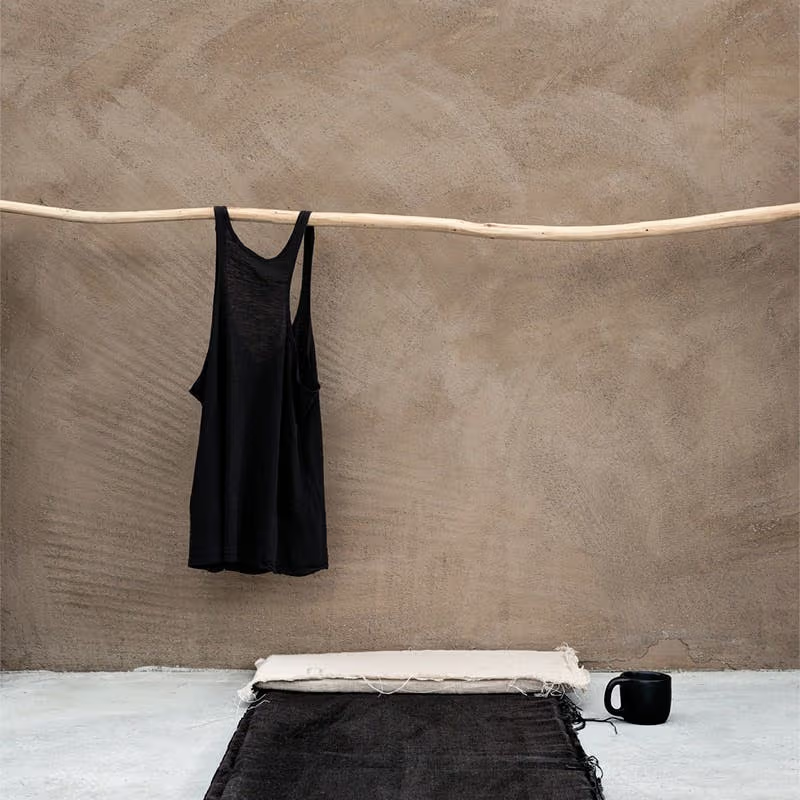
What You’ll Need
Depending on your project, you may need:
- LaRosa Limewash
- A bucket or suitable paint container
- Whisk or electric mixer
- LaRosa Limewash Brush
- Clean water
- A brush or light mist sprayer for dampening the wall
- Drop sheets and masking materials, if required

Lime Wash BrushesLime Wash Brushes
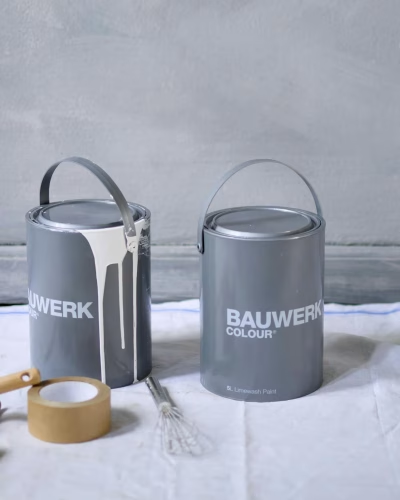
Limewash Paint

Whisk Mixing Tool
Before You Begin
Plan your project. If you’re renovating or building, we recommend leaving painting until the final stage of the project. This helps protect the finished limewash from dust, splashes, tools and damage caused by other trades.
Make sure the render is fully cured, dry and free from moisture problems before painting. New render may need time to cure before it can be limewashed. Follow the recommendations of your render supplier or builder.
Test your colour
We always recommend testing your chosen colour before starting.
For the most accurate result, apply a sample to:
A board made from the same type of render; or a small, discreet area that will later be hidden by furniture or artwork
Avoid creating a small square sample directly on the wall, as it may remain visible after the full application. If you do test on the wall, soften or feather the edges and use an irregular shape to reduce the chance of visible patching.
Estimate your coverage
On raw render, LaRosa Limewash generally covers approximately 7–10 m² per litre, per coat. Most surfaces require two to three coats for the desired level of coverage and depth of colour. Coverage will vary depending on the texture and absorbency of the render, as well as the application technique. Sample pots are the best way to assess both colour and paint usage for your particular surface and lighting conditions.

Preparing the Render
Before painting, the render should be:
- Clean
- Dry
- Dust free
- Free from loose or flaking material
- Stable and free from surface contaminants
Brush down the wall to remove dust, dirt and loose particles. Repair any damaged or unstable areas and allow repairs to dry fully. Lightly dampen the wall using clean water and a brush or fine mist spray. The surface should be lightly damp not wet or dripping. Dampening helps the limewash absorb evenly and makes it easier to apply.
Previously painted render
Previously painted interior or exterior render may be suitable for LaRosa Limewash, but it will require additional preparation. Conventional paint can prevent the limewash from absorbing properly, so the existing coating may need to be removed or treated with a suitable preparatory product. Always check that the existing paint is firmly bonded, clean and suitable for overcoating before proceeding.
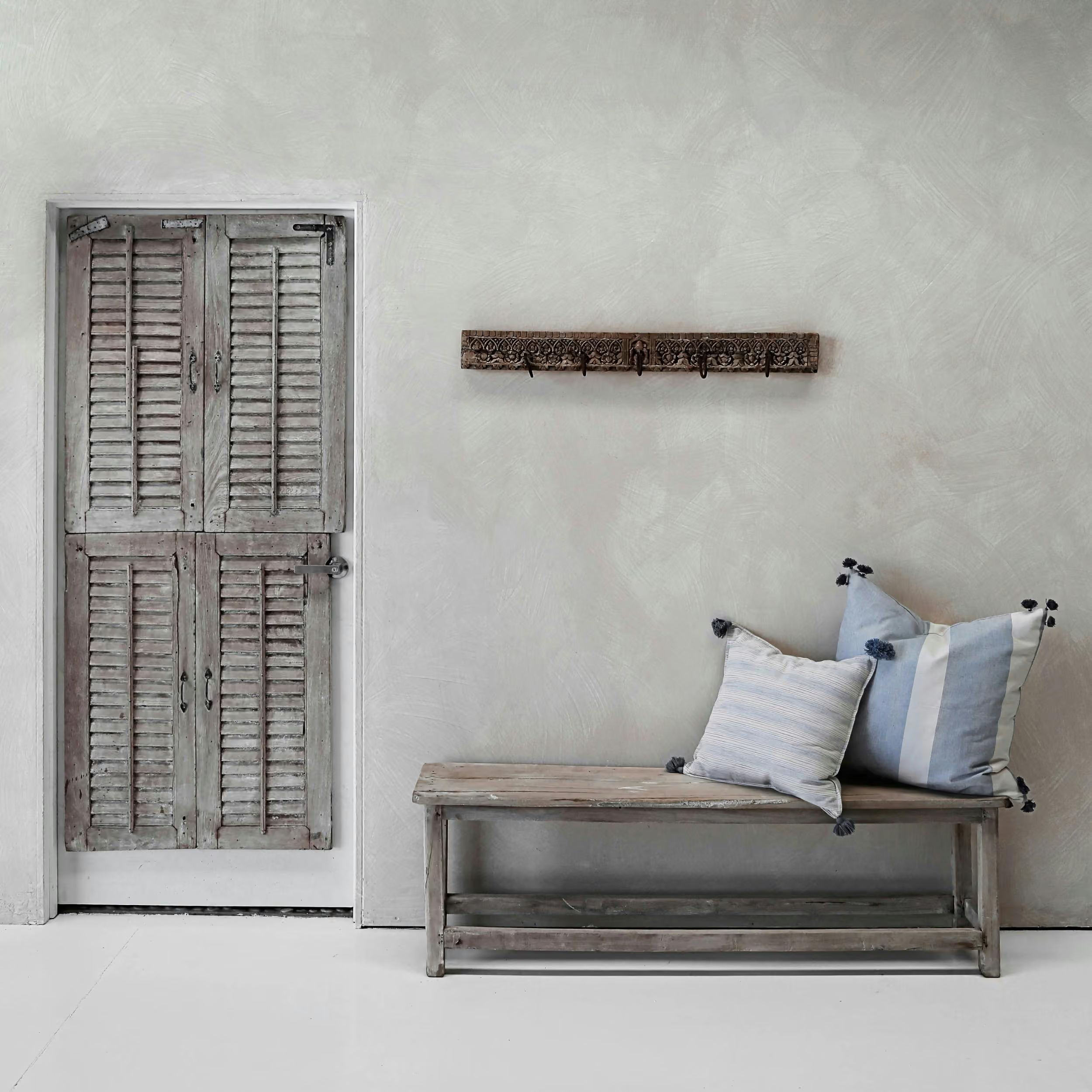
Preparing LaRosa Limewash
Thoroughly mix the limewash before use. A whisk or electric mixer can help distribute the pigments evenly.
Pour the required amount into a clean bucket or suitable container. Make sure no pigment or settled material remains at the bottom of the original container.
Continue stirring regularly throughout the application, particularly when moving between walls or taking a break.
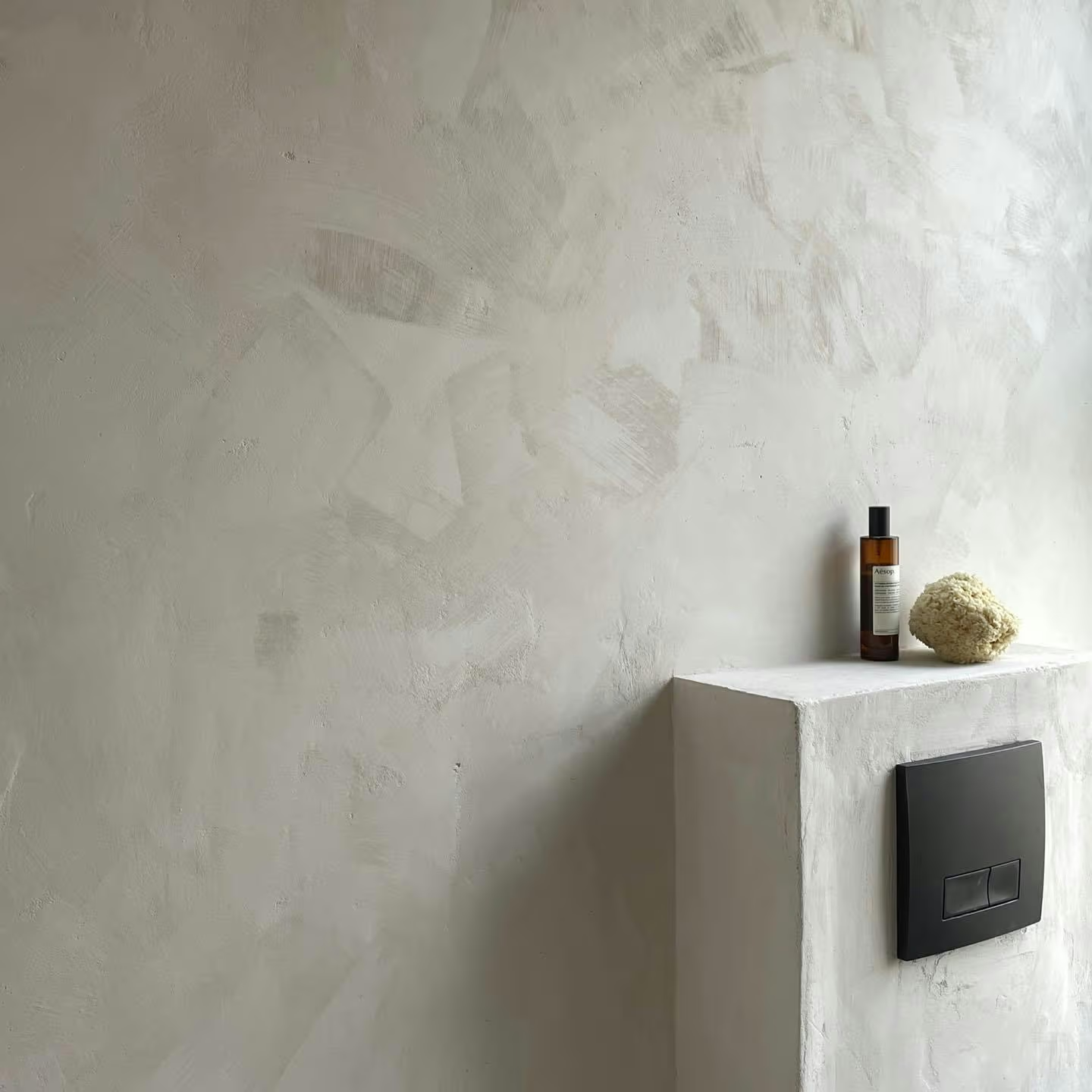
For most walls, a 4 × 14 limewash brush is a versatile choice. A natural bristle brush helps work the paint into the texture of the render and creates the characteristic variation of a limewashed finish.
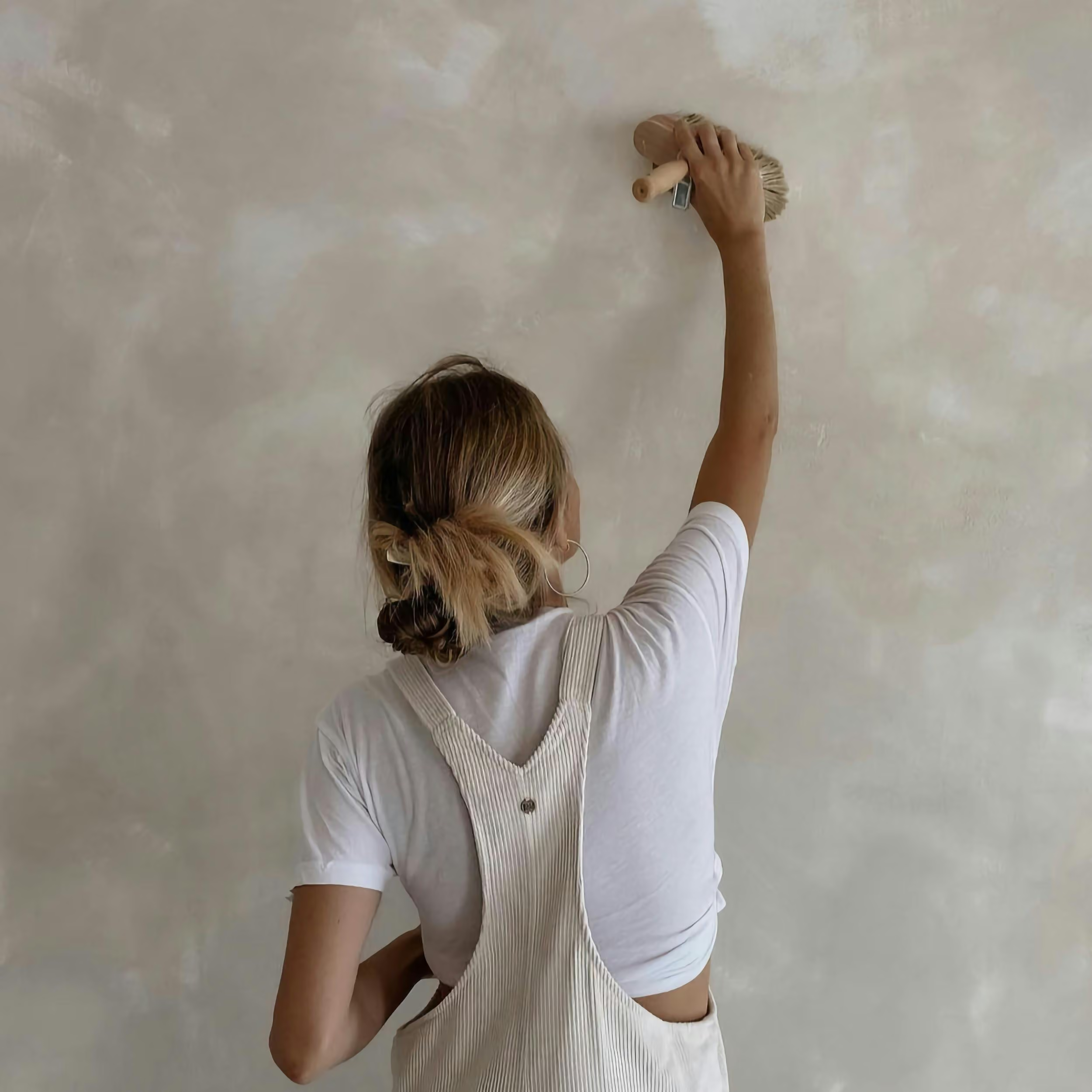
Applying LaRosa Limewash
First coat:
- Dip the brush into the paint.
- Remove excess paint with a gentle flick of the wrist. The brush should be well loaded but not dripping.
- Begin in a corner and hold the brush approximately at a right angle to the wall.
- Use loose, relaxed strokes, changing direction as you work.
- Allow the bristles to spread the paint. Avoid pressing too firmly.
- Apply a thin, even coat, making sure the surface is covered without creating runs or drips.
- Work continuously and maintain a wet edge wherever possible. This helps reduce visible lines between sections. On larger walls, work towards a natural stopping point, such as a corner, doorway or mortar joint.
Try to complete each coat in one continuous application. Avoid going back over areas once they have started to dry, as this can create unwanted marks. Any small missed areas can be covered during the next coat. When wet, LaRosa Limewash may appear darker and more transparent than expected. This is normal. The colour will become lighter and opaquer as it dries. Do not apply extra paint to compensate for the wet appearance.
Second coat:
- Allow the first coat to dry for at least 1–2 hours, or until it is dry to the touch.
- Apply the second coat without dampening the wall again. Work a little faster and use looser, more confident strokes. The first coat should provide the base coverage, so minor variations or small missed areas are normal.
- Allow the surface to dry fully once the second coat is complete. A third coat can be applied if you would like additional coverage, colour depth or opacity.
Some white limewash colours can be easier to touch up and may not require the same wet edge technique. However, for the most consistent result, we still recommend working steadily and avoiding excessive reworking while the paint is drying.
Cleanup and Maintenance
LaRosa Limewash does not usually require a sealer or additional topcoat when applied to a suitable render surface.
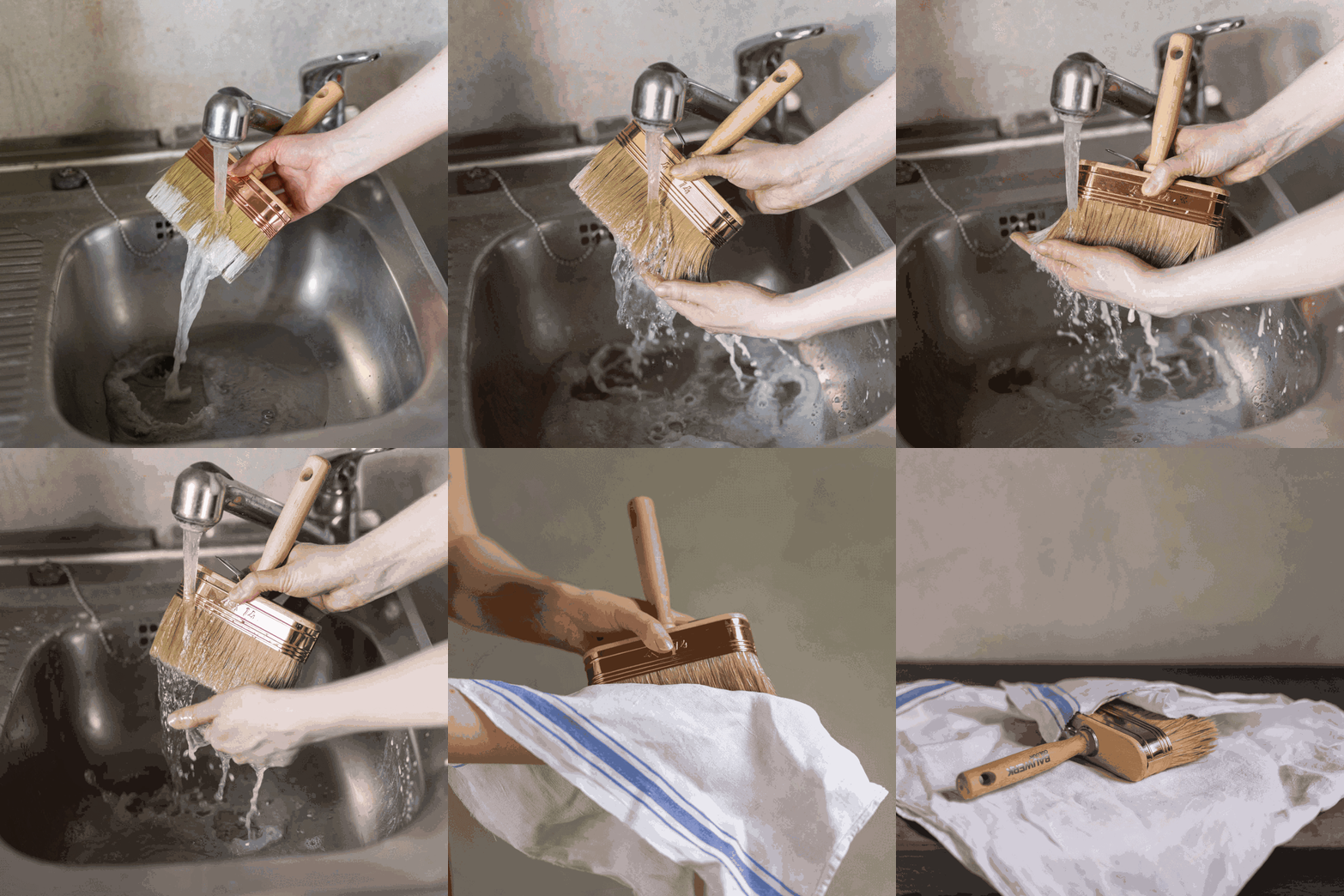
- Clean brushes, tools and containers promptly with water.
- Use only the amount of water needed for cleaning.
- Allow the wall to dry naturally and avoid rubbing or washing the surface immediately after painting.
- A further coat can be applied later if you want to refresh the colour or improve coverage.
With the correct preparation and application, LaRosa Limewash creates a breathable, natural finish that is easy to refresh and maintain.
How to Limewash a Render Masonry Wall
Simple steps to guide you through applying limewash to naturally absorbent surfaces such as render.
FAQs about render and Limewash
How should I test LaRosa Limewash on raw render?
Apply your sample to a separate board made from the same type of render, or to a discreet area that will be hidden later. Testing directly on the wall may leave a visible patch.
Can LaRosa Limewash be applied to interior render?
Yes, provided the render is sound, clean, dry and absorbent. New render should be fully cured before painting.
Can LaRosa Limewash be applied to exterior render?
Yes, LaRosa Limewash can be suitable for exterior render when the surface is properly prepared and able to absorb the paint. Do not apply it during rain, in wet conditions or when rain is expected before the paint has dried.
Can previously painted render be limewashed?
Previously painted render may be suitable, but additional preparation is required. The existing coating must be firmly bonded, clean and compatible with the limewash. Non absorbent or loose paint may need to be removed or treated with an appropriate preparation system.
Thin coat render may be suitable for interior limewashing, depending on its composition, finish and absorbency. Always check the render manufacturer’s recommendations and carry out a small test before beginning the full application.
Do I need a topcoat?
No additional topcoat is generally required. Limewash is designed to remain breathable, and sealing it may alter the appearance and performance of the finish.