
Exterior Garden Wall Surfaces
How to Apply LaRosa Limewash to Exterior Garden Walls
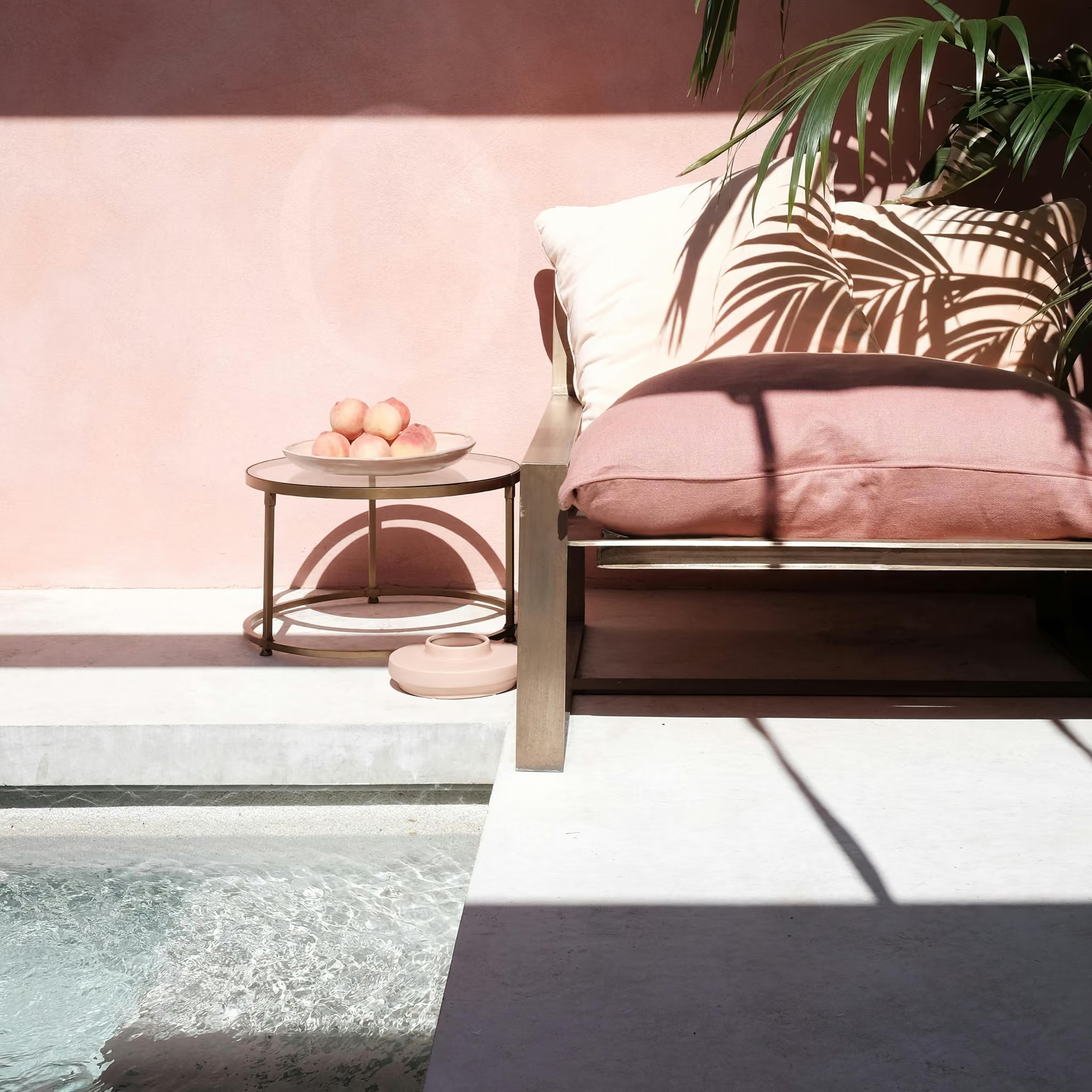
Garden walls can be a beautiful application for LaRosa Limewash, particularly when they are made from absorbent masonry such as brick, concrete, limestone or lime and cement renders. The natural variation of limewash complements outdoor materials and can create a soft, matte mineral finish that works beautifully with surrounding gardens and landscaping. Light coloured limewash can also help reflect heat from sun-exposed walls, making it a practical choice for outdoor spaces in warmer climates, including many parts of Australia. As with any exterior application, the condition and construction of the wall are important. Garden walls are exposed to rain, humidity, soil moisture and changing temperatures, so preparation and ongoing maintenance should be considered before you begin.
This is the right guide if you want to
- Apply LaRosa Limewash to an exterior garden wall
- Limewash brick, concrete, absorbent stone or render
- Prepare a new or previously limewashed garden wall
- Understand how weather and moisture can affect your finish
- Create a soft, natural finish that complements surrounding landscaping

Materials
Before you begin, make sure you have:
- A whisk or electric mixer
- A bucket or suitable mixing container
- A LaRosa 4 × 14 Limewash Brush
- Clean water
- LaRosa Limewash
- Suitable coverings for nearby surfaces and plants
Cleanup and Maintenance
Exterior limewash is designed to be easy to refresh over time. There is generally no need to remove previous layers of limewash before applying another coat. When the finish begins to weather, simply clean away loose dirt and dust and refresh the affected areas or the entire wall as required. Avoid aggressive cleaning, abrasive scrubbing or harsh chemicals, as these can disturb the limewash finish.
Best Surfaces
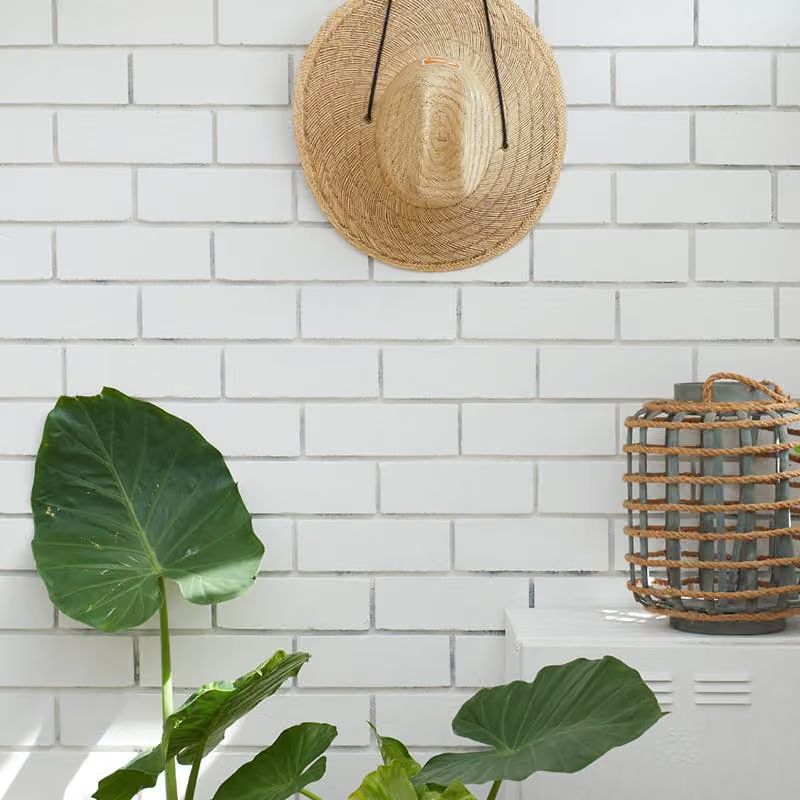
The best surfaces for exterior limewash are clean, absorbent mineral surfaces. These can include:
- Brick
- Concrete and concrete blocks
- Absorbent stone, such as limestone
- Lime render
- Cement render
- New or Unpainted Garden Walls
New and previously unpainted absorbent surfaces can generally be prepared by removing surface dust, dirt and organic matter before applying LaRosa Limewash directly. Apply a minimum of 2 coats for a consistent finish. Before painting, make sure the wall has had sufficient time to dry and cure following construction or rendering. Always follow the relevant manufacturer’s curing recommendations for the substrate.
Type of Garden Wall
Previously Limewashed Walls
If your garden wall has previously been limewashed and the existing finish is sound, clean the surface and remove any loose or powdery material. A new coat of LaRosa Limewash can then be applied over the existing limewash. There is generally no need to strip sound previous layers before refreshing the surface.
Walls with Flaking or Bubbling Paint
If the wall has previously been painted with an oil based or water based paint and the coating is flaking, bubbling or failing, you have two options.
You can:
Remove the existing coating as thoroughly as possible and prepare the surface appropriately before limewashing, or remove loose and easily removable areas, understanding that the exposed areas may require additional touch ups or maintenance in future. For previously painted garden walls, refer to our Painted with Other Paint guide for more detailed preparation advice.

Applying LaRosa Limewash to Garden Walls
1. Apply the First Coat.
Begin in a corner, holding the brush at roughly a right angle to the wall. Load the brush with limewash without allowing it to become overloaded or dripping. Work in loose, varied strokes, allowing the natural movement of the brush to create the characteristic limewash finish. Apply a thin, even coat and maintain a wet edge as you work. Avoid repeatedly working back over areas that have already started to dry, as this can create unwanted marks or variations.
2. Allow the First Coat to Dry
The limewash will appear darker and more transparent while wet and will become lighter and opaquer as it dries. Allow approximately 1–2 hours between coats, depending on weather conditions and the surface.
3. Apply the Second Coat
Apply the second coat in the same way, working quickly and loosely while keeping a wet edge. A second coat will build colour and coverage while allowing some of the natural variation of the masonry to remain visible. Additional coats may be required on highly porous, textured or uneven surfaces.

FAQs About Exterior Garden Wall And Limewash
How do I maintain a limewashed garden wall?
Maintenance is straightforward. Remove loose dirt and dust, then apply a fresh coat of LaRosa Limewash to areas that need refreshing or to the entire wall. There is generally no need to remove existing limewash before repainting.
How much LaRosa Limewash will I need for my garden wall?
Coverage depends on the porosity, texture and condition of the wall. As a general guide, raw absorbent masonry may use approximately 7–10 m² per litre per coat. We recommend using a LaRosa Colour Tester to see how your particular surface absorbs limewash before purchasing your full quantity.
How should I water plants next to a limewashed wall?
Water plants as normal, but avoid deliberately soaking a freshly limewashed wall. Allow the limewash sufficient time to dry and stabilise before exposing it to regular irrigation or heavy moisture. If sprinklers or irrigation systems regularly spray the wall, consider redirecting them where possible to reduce unnecessary weathering.
How long does it take to limewash a garden wall?
Application time depends on the size, texture and condition of the wall, as well as weather conditions. Plan for a minimum of 2 coats, with approximately 1–2 hours between coats under suitable conditions. Allow additional time for preparation, drying and weather related delays.
How can I protect plants when limewashing a garden wall?
Cover or shield nearby plants and landscaping where appropriate and take care when working around established foliage. Use drop sheets or other suitable coverings to protect areas from splashes and clean up any accidental spills promptly.