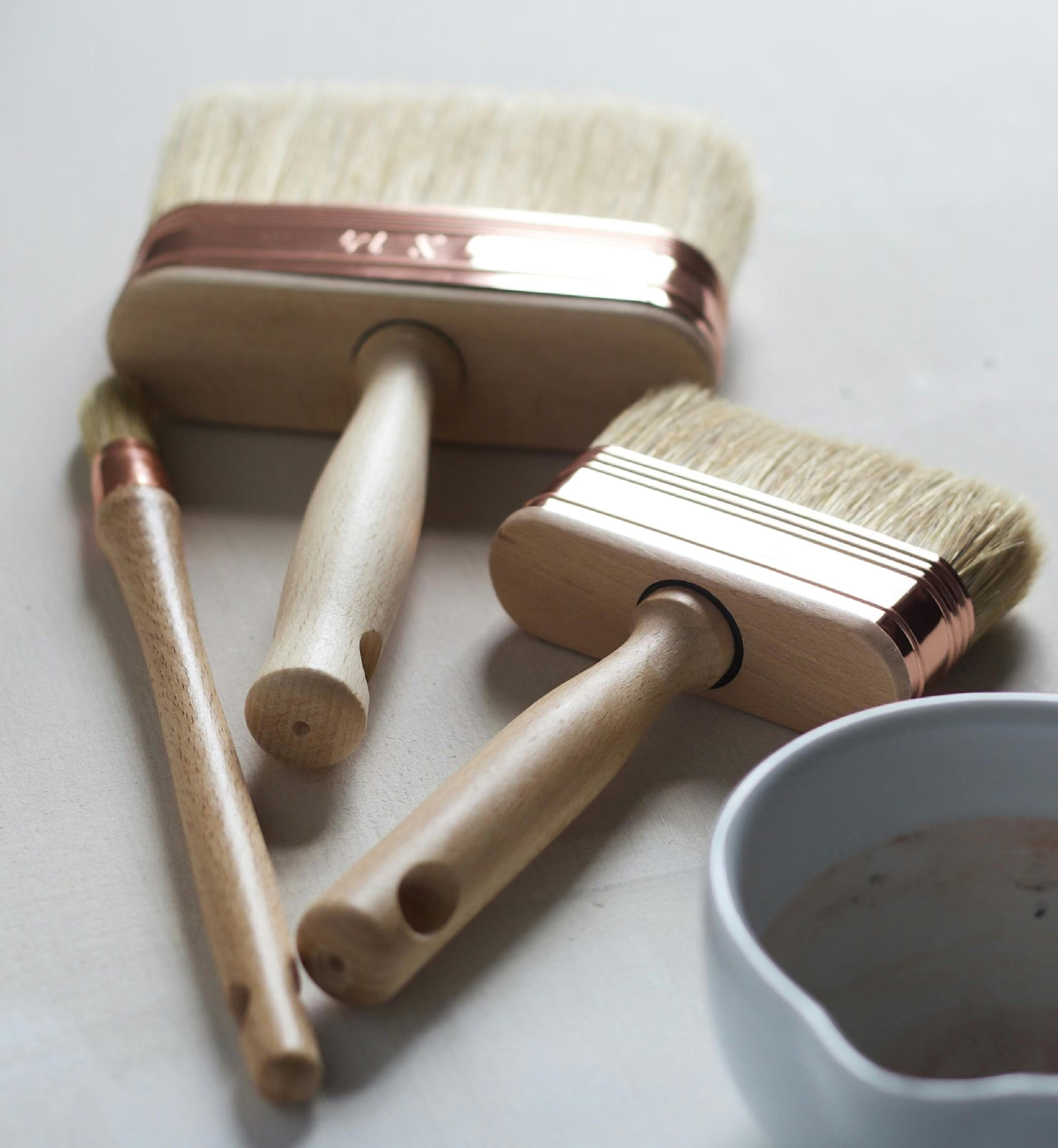
Everything you need to know about selecting, using and caring for your LaRosa Limewash brushes.
How to use and care for limewash paint brushes
This Guide Is for You If You Want to:
Learn how to use limewash brushes correctly when applying LaRosa Limewash
Understand how to work with natural fibre brushes for an even, beautiful finish
Learn how to properly clean and care for your brushes so they can be used for more than one project
What brushes we recommended?
For both interior and exterior limewashing, we recommend using a natural fibre limewash brush. The unique bristle structure holds the right amount of paint and releases it evenly across the surface, helping you achieve the beautiful, natural finish that LaRosa Limewash is known for.
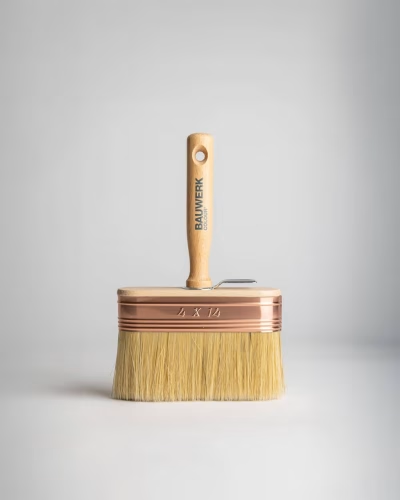
Limewash Paint Brush 4 x 14cm
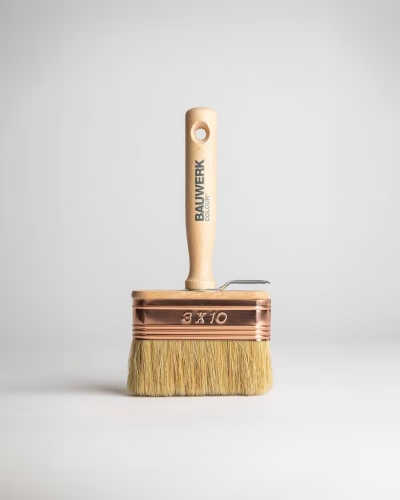
Limewash Paint Brush 3 x 10cm
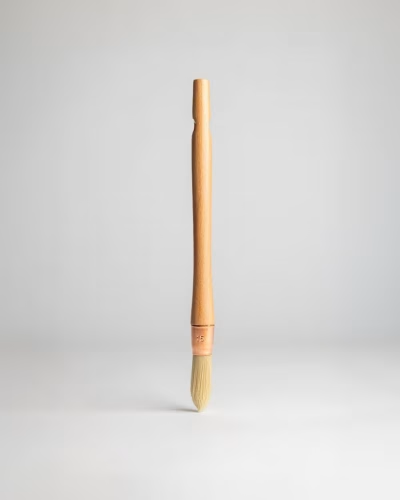
Small Tapered Brush
Wood handled limewash paint brush 4x14cm product
Limewash Paint Block Brush 3cm x 10cm
Small Tapered Brush
What Limewash Brush Is Best for Small Areas?
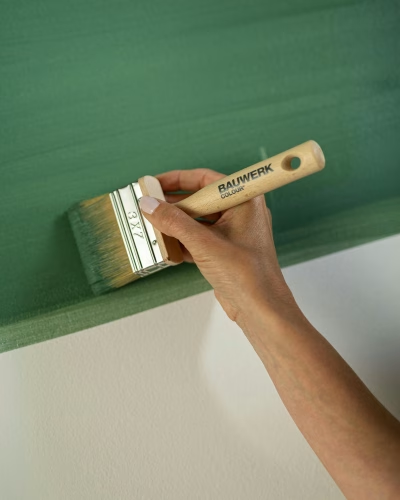
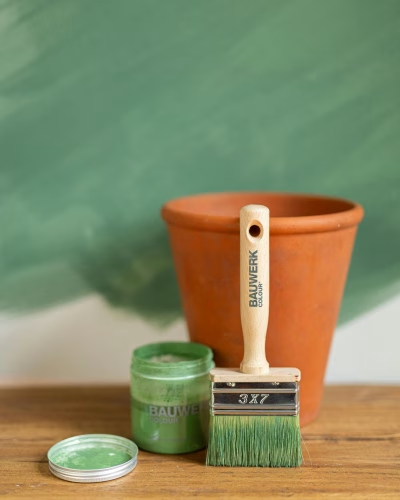
For applying LaRosa Colour Testers or LaRosa Garden Pot Paint, these small brushes make the job quick, easy and precise.
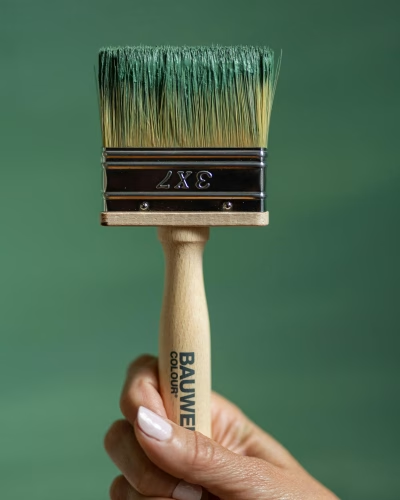
Limewash Paint Brush 3 x 7cm
Tips for Using and Caring for Natural Fibre Brushes
Assemble Your Limewash Brush:
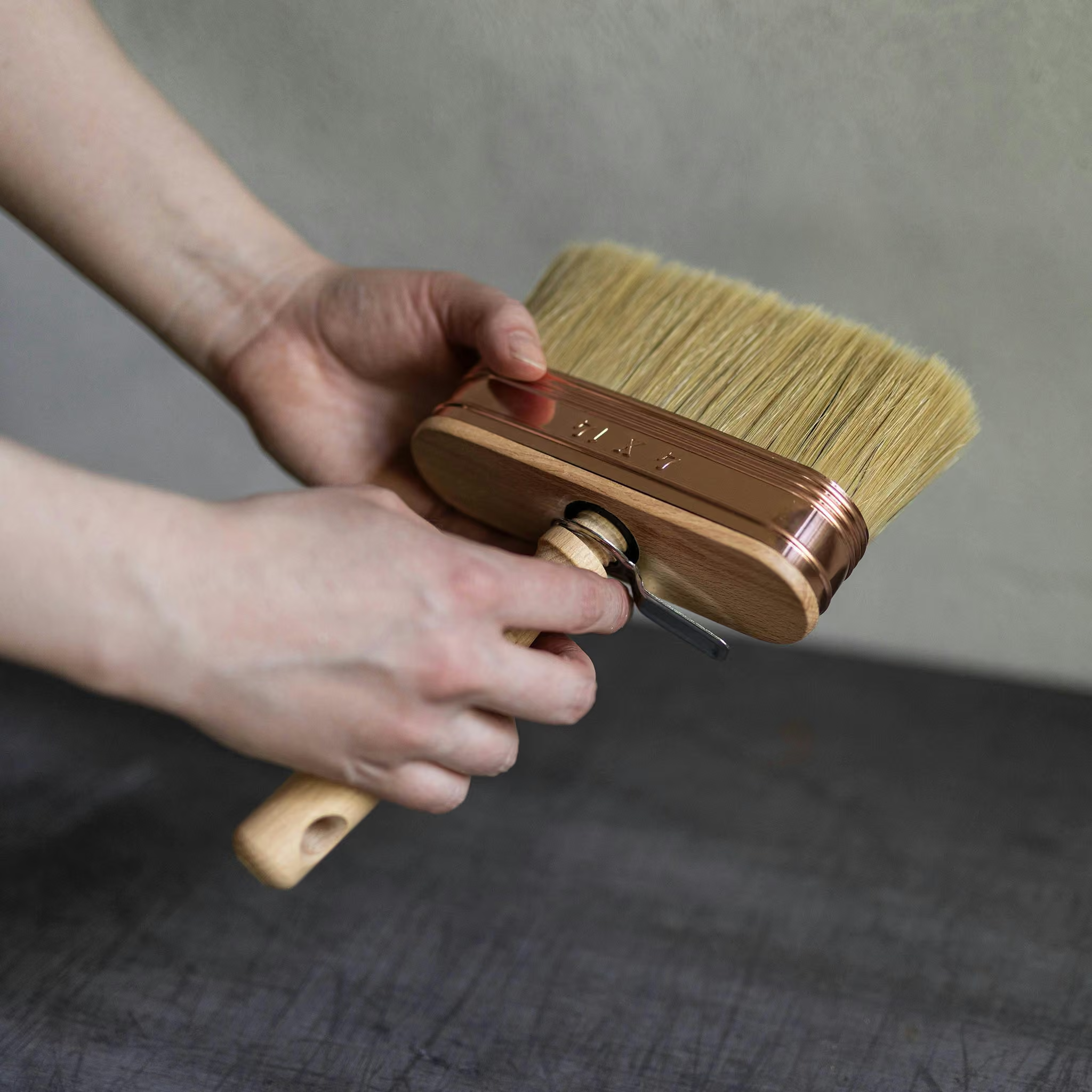
Before you begin, unpack your LaRosa Limewash Brush and check that all parts are included.
The optional bucket clip allows you to hang your brush neatly from the side of your paint bucket while you work.
If you don’t need the bucket clip, simply leave it off.
Screw the handle into the brush head, with the bucket clip attached if required, as shown in the image.
How to break in a new Lime Wash brush:
New natural bristle brushes may shed a few loose bristles during their first use. This is completely normal and does not mean your LaRosa Limewash Brush is faulty.
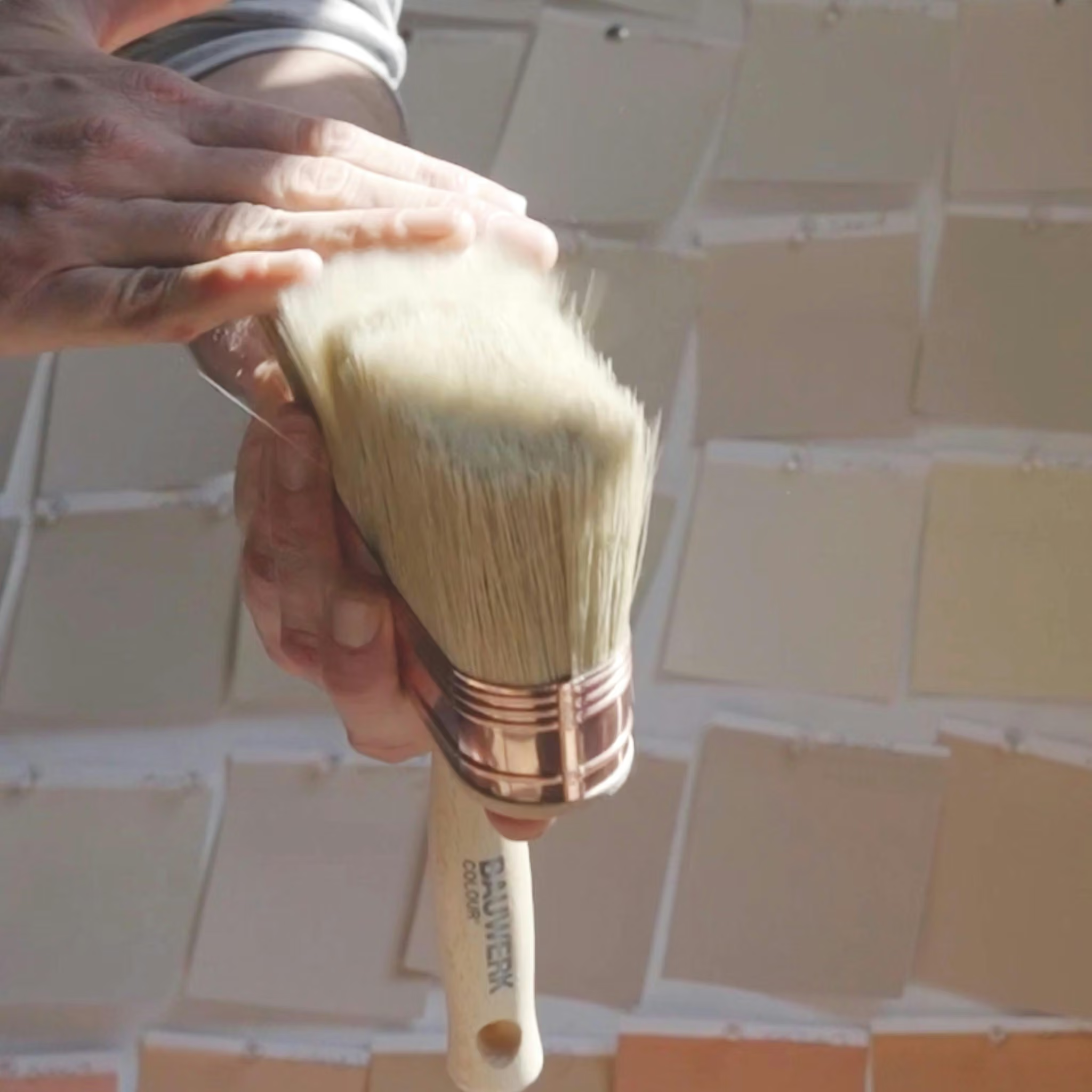
Before using your brush for the first time, we recommend giving it a quick preparation to remove any loose fibres.
How to Prepare Your New Brush
Gently flick the bristles back and forth across the fingers of your outstretched hand a few times.
Alternatively, use the same motion against a slightly rough surface or the edge of a table.
Check the brush and gently pull out any loose hairs or bristles that are sticking up above the main body of the brush.
Your brush is now ready for its first limewashing project.
How much paint should the Lime Wash brush hold?
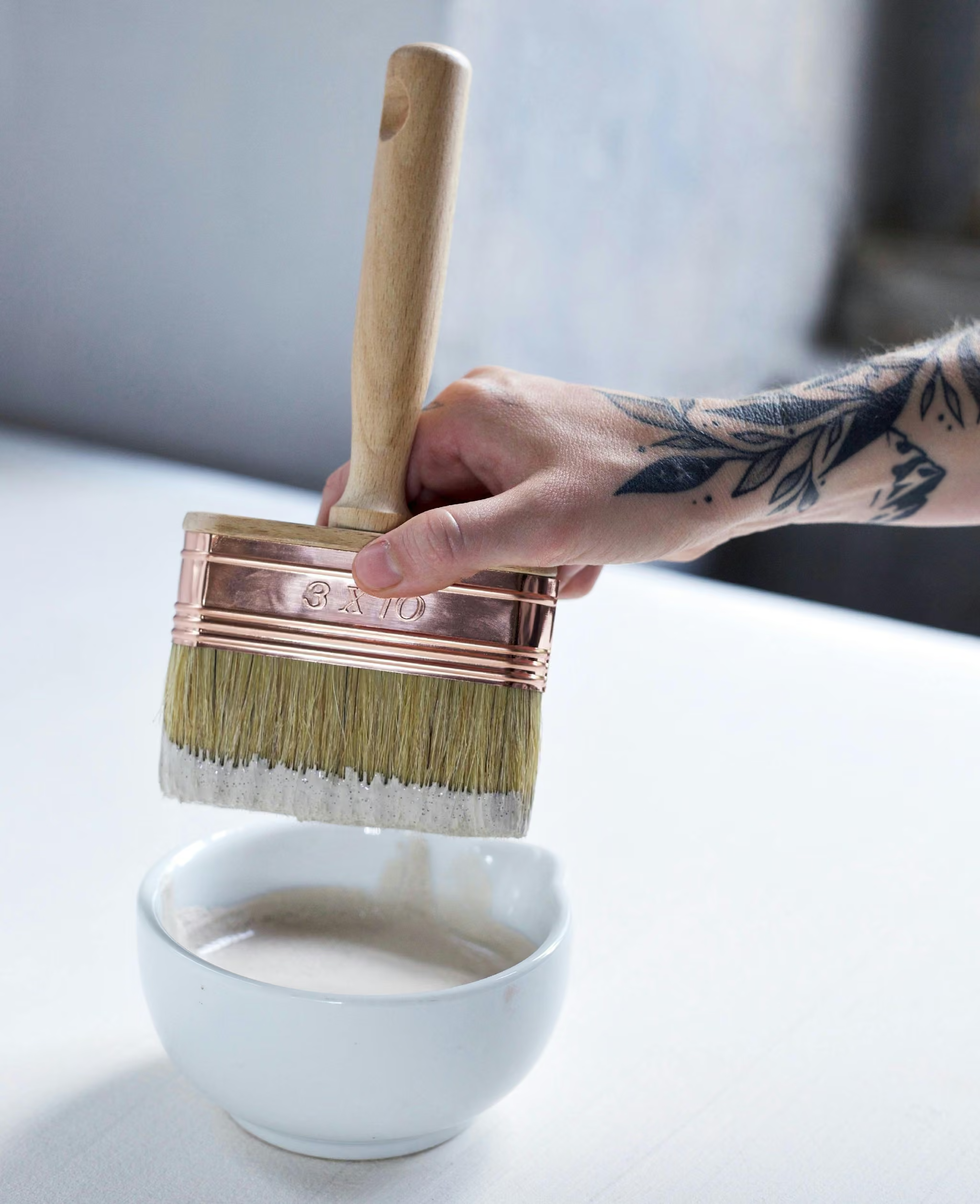
Dip your LaRosa Limewash Brush into the paint by only 2–3 cm (about 1 inch).
Give the brush a quick flick of your wrist to remove any excess limewash.
Your brush should be well loaded, but not dripping, before you move to the wall.
How to correctly hold a limewash block brush:
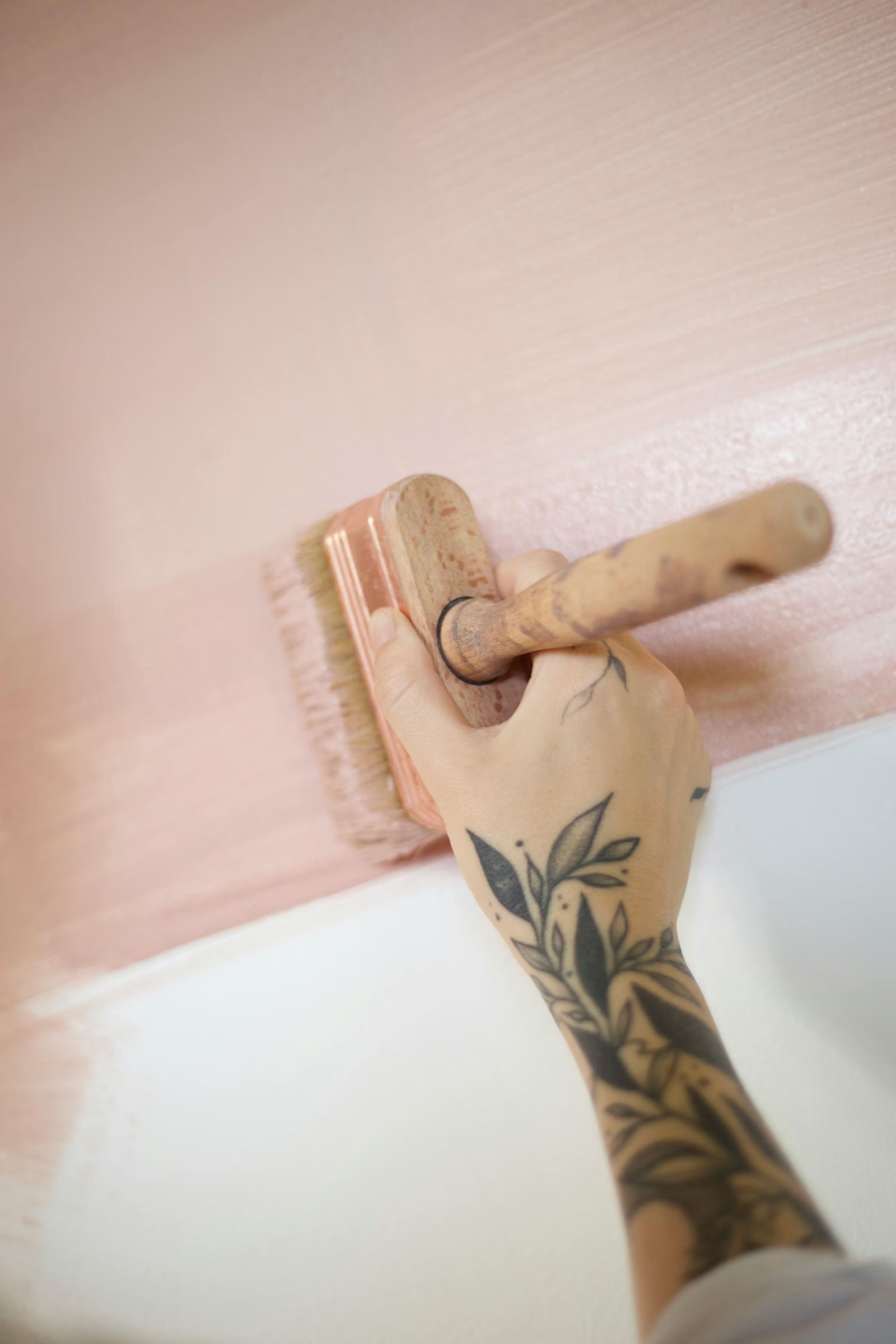
Hold your LaRosa Limewash Brush closer to the brush head, as shown in the image, for greater control.
Keep the brush at a right angle to the surface so all the bristle tips make contact, rather than just the outer edges.
On smooth surfaces, use loose, flowing strokes and avoid applying too much pressure.
For rough or textured surfaces, use smaller strokes and gentle circular movements to work the limewash into the surface.
Cutting into corners while using a limewash brush:
Cutting In With Limewash
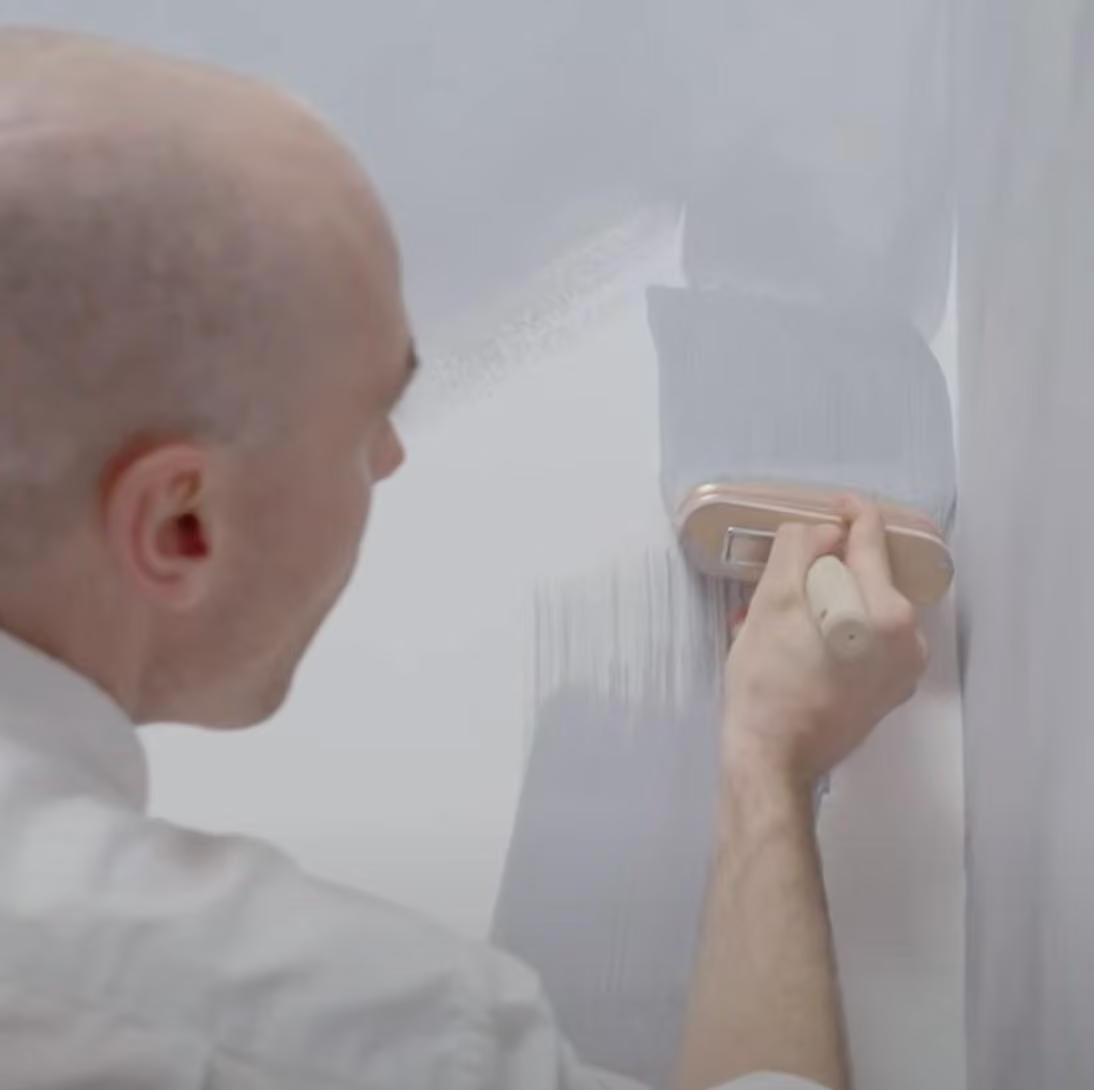
Always work wet on wet. Avoid cutting in all the edges first and then painting over areas that have partially dried.
Using your LaRosa Limewash Block Brush, load and deposit a good amount of paint close to the area you want to cut in.
Hold the brush close to the brush body and angle it slightly away from the corner so you can clearly see the edge.
Gently pull the brush along the corner, using only light pressure.
Brush away from the corner to soften the application and avoid creating visible brush strokes running parallel to the edge.
Video Tutorial
Watch our short video, “Easy Tips: Cutting In with Limewash Paint,” for a step by step demonstration of how to paint corners and edges.
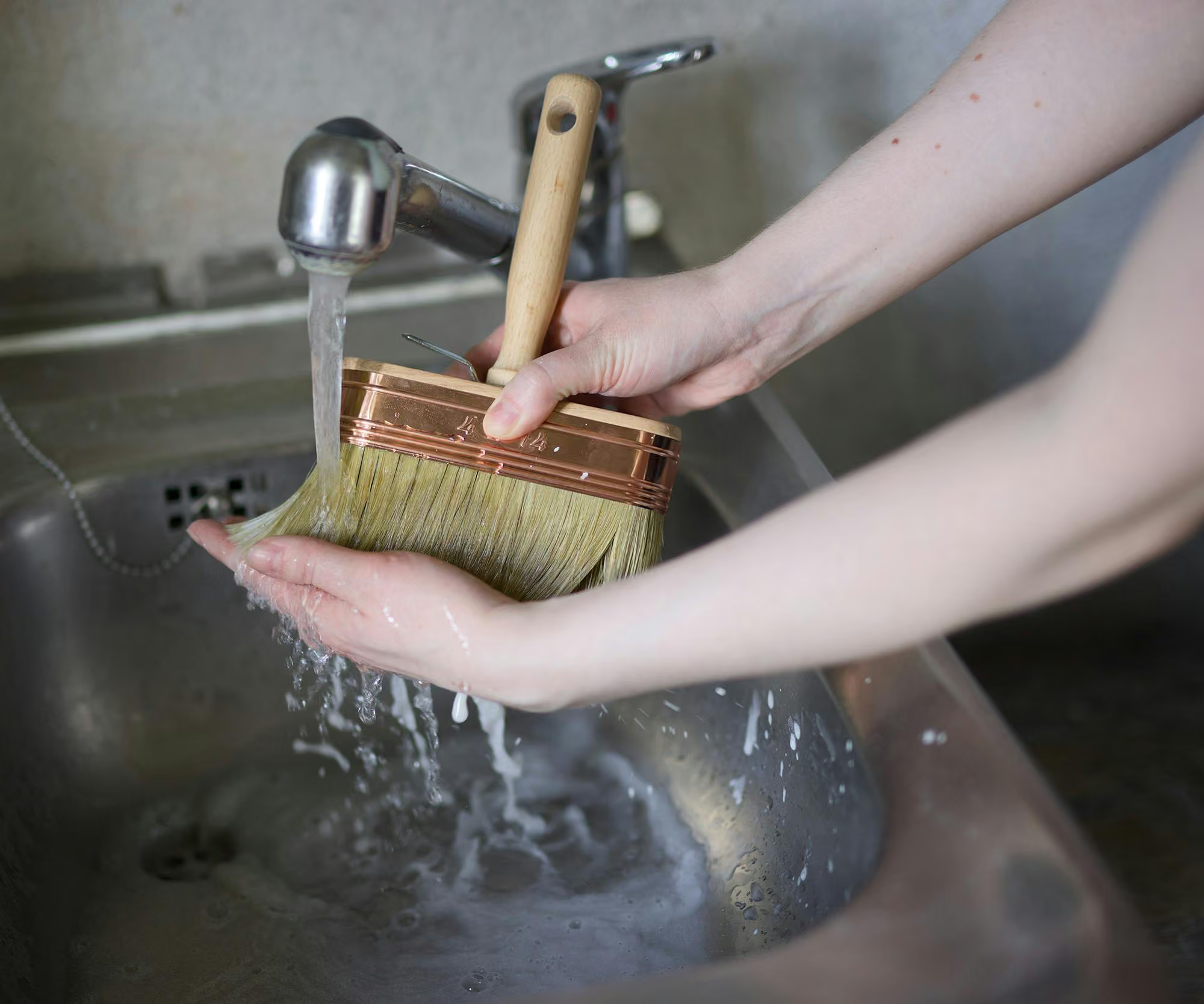
How to clean and wash your limewash brush:
Cleaning Your Limewash Brush
Fill a suitable sized bucket with clean water.
Hold the brush by the handle and shake the bristles through the water for a few seconds to loosen the paint.
Shake the brush out over a sink to remove excess water and paint.
Rinse the brush under running water, always working in the same direction towards the ends of the bristles.
Shake out the brush again, then gently reshape the damp bristles with your hands.
Allow the brush to dry by hanging it up or placing it upright on a clean rag.
Important
Do not leave your brush soaking in a bucket of water overnight. Following these care instructions will help keep your LaRosa Limewash Brush in good condition.
How to Store your limewash brush:
To keep your LaRosa Limewash Brush in good condition for your next project:
After cleaning, allow the brush to dry completely before storing it.
Wrap the brush in a small cotton rag, making sure the bristles retain their natural shape.
Store the brush in a clean, dry place away from moisture.
How to dispose of an old limewash brushes:
Our limewash brushes are made from natural materials and can be safely disposed of with your normal household waste once they have reached the end of their life.
FAQs about Any Limewash Paint Brushes
Can I Use a Synthetic Brush for Limewashing?
Synthetic brushes have very smooth bristles, which don’t hold LaRosa Limewash as effectively as natural fibre brushes. This can cause the limewash to drip and make it more difficult to achieve the natural, textured finish limewash is known for.
For the best application and finish, we recommend using a natural fibre limewash brush.
Are LaRosa Limewash Brushes Vegan Friendly?
Our limewash brushes are made with a combination of natural and synthetic fibres and may contain sterilised animal hair. For this reason, they are not currently considered vegan friendly.
We are continually exploring more sustainable and vegan friendly alternatives as we develop our product range.
In order to provide you a personalized shopping experience, our site uses cookies. cookie policy.