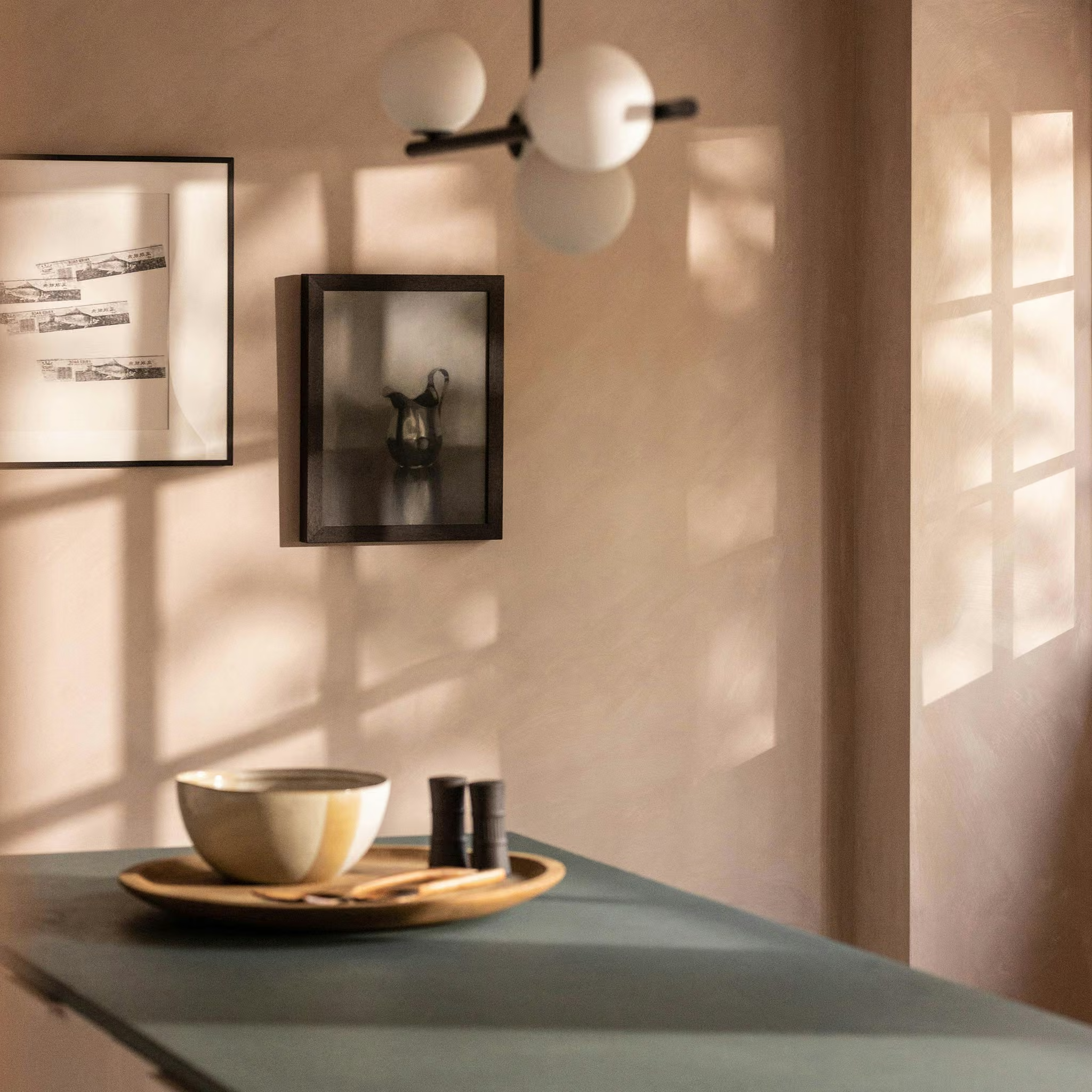
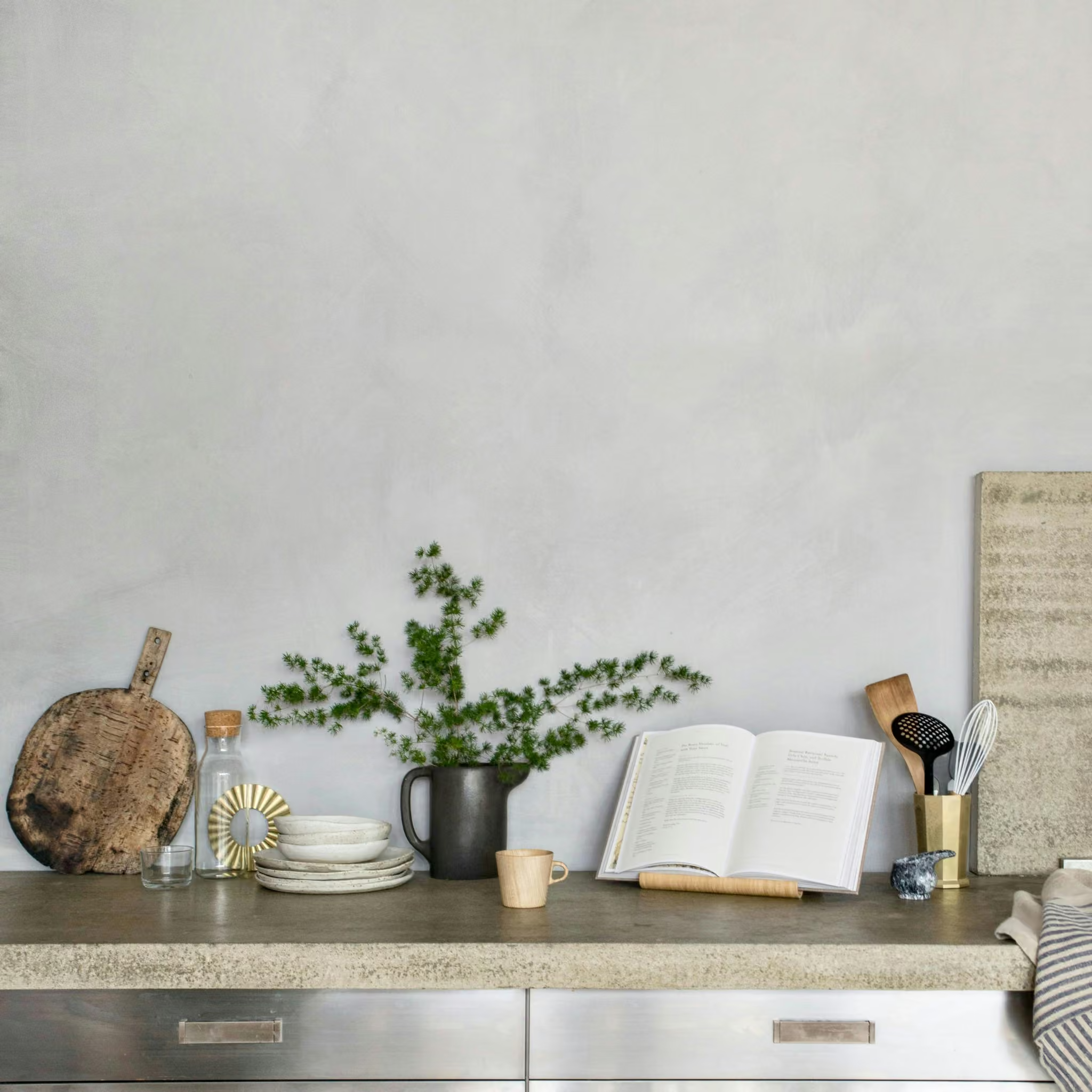
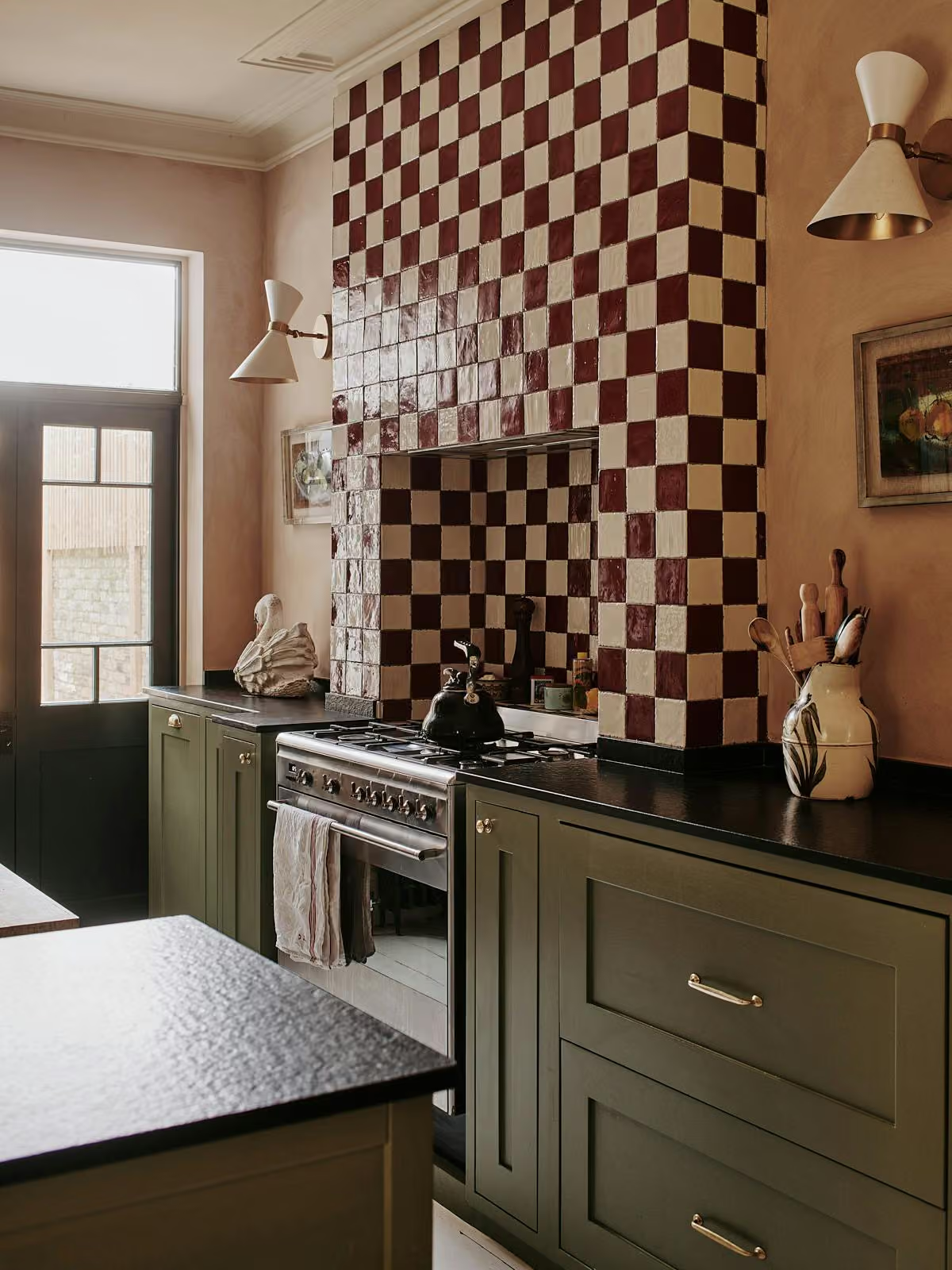
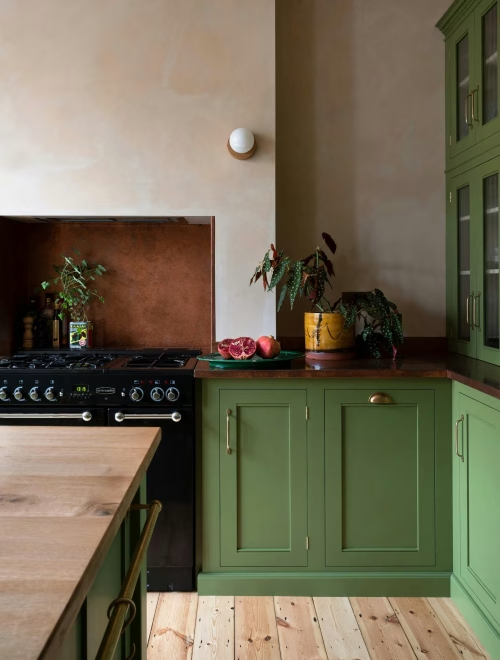
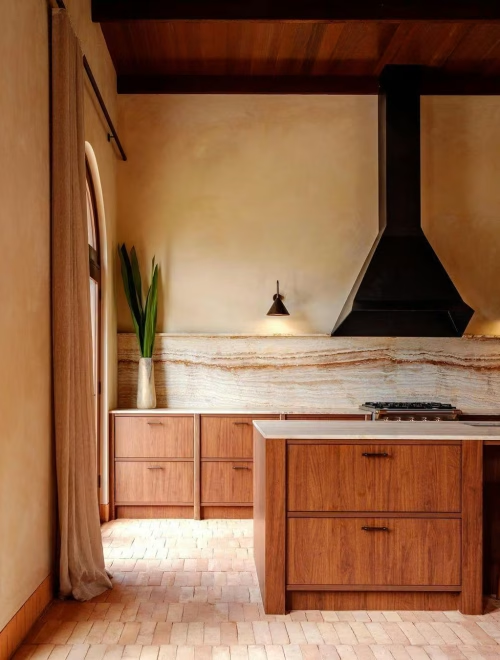
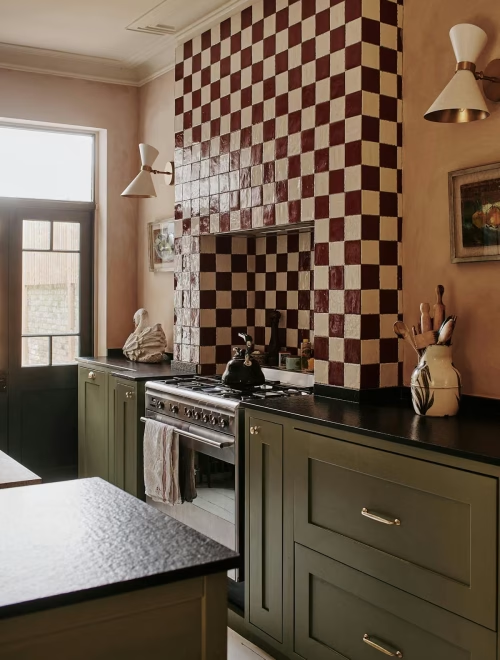
LaRosa Limewash can be used on kitchen walls and ceilings to create a soft, natural mineral finish. It works particularly well in kitchens where you want to bring warmth, texture and a relaxed, lived in feel to the space. Limewash is suitable for most kitchen walls and ceilings, but should not be used in areas regularly exposed to fat, oil or grease, such as directly behind a stove. These substances can leave marks or discolour the finish, so we also do not recommend using LaRosa Limewash on kitchen cabinets.
Choosing the Right Surface
When building a new kitchen or undertaking major renovations, an absorbent render provides an excellent surface for LaRosa Limewash. Pre mixed thin coat renders can also be applied over drywall construction or sound existing render, plaster or painted surfaces. They typically add only 1–2 mm to the wall surface and provide a consistent base for limewash. LaRosa Limewash can also be applied over conventional paint or new plasterboard once the surface has been properly prepared for consistent absorbency. This generally involves:
Applying two coats of a suitable water based undercoat sealer or primer where required
Applying one coat of LaRosa Prep Coat
Finishing with two coats of LaRosa Limewash
Protecting High Use Areas
Splashback or Occasional Refresh?
Using Limewash in a Way That Works for You. Limewash can work beautifully in kitchens when paired with a few thoughtful design choices. You can protect high use areas with a splashback, such as behind the stove or sink, while leaving surrounding walls and ceilings limewashed. Alternatively, you can embrace the relaxed, lived in character of limewash and refresh the occasional mark with another coat when needed. Lighter colours can be particularly easy to touch up, making them a practical choice for busy kitchen spaces.
Limewash is an absorbent finish, which means substances such as cooking oils and grease can leave marks. For this reason, we recommend protecting areas immediately behind cooktops and other high splash or high impact zones. A simple glass splashback behind the stove can provide practical protection while allowing the surrounding walls to retain the natural appearance of limewash. Tiles and other easy clean surfaces can also be used where appropriate. Rather than sealing the entire wall with a conventional topcoat, consider where limewash will work best for the way your kitchen is used. This allows you to retain its natural matte appearance and makes future refreshing or repainting easier.
Splashback or Occasional Refresh?
Using Limewash in a Way That Works for You. Limewash can work beautifully in kitchens when paired with a few thoughtful design choices. You can protect high use areas with a splashback, such as behind the stove or sink, while leaving surrounding walls and ceilings limewashed. Alternatively, you can embrace the relaxed, lived-in character of limewash and refresh the occasional mark with another coat when needed. Lighter colours can be particularly easy to touch up, making them a practical choice for busy kitchen spaces.
Cleanup and Maintenance
LaRosa Limewash is designed to retain its natural matte, mineral appearance. We generally do not recommend applying a conventional protective topcoat, as this can alter the character of the finish and make future repainting more difficult. For everyday maintenance, use a soft, damp cloth and avoid abrasive products, harsh chemicals or aggressive scrubbing. If a limewashed surface becomes marked or needs refreshing, it can generally be renewed with another coat.
ADVICE
Kitchens and Limewash Paint
Tips, considerations and inspiration for using limewash in kitchens.
IDEAS
Neutral and Natural Kitchens
An inspiration gallery of warm toned kitchens with limewash paint
IDEAS
Colourful and Playful Kitchens
An inspiration gallery of eclectic kitchens with limewash paint
In order to provide you a personalized shopping experience, our site uses cookies. cookie policy.