Fabric Surface Guide
How to Apply LaRosa Limewash to Fabrics
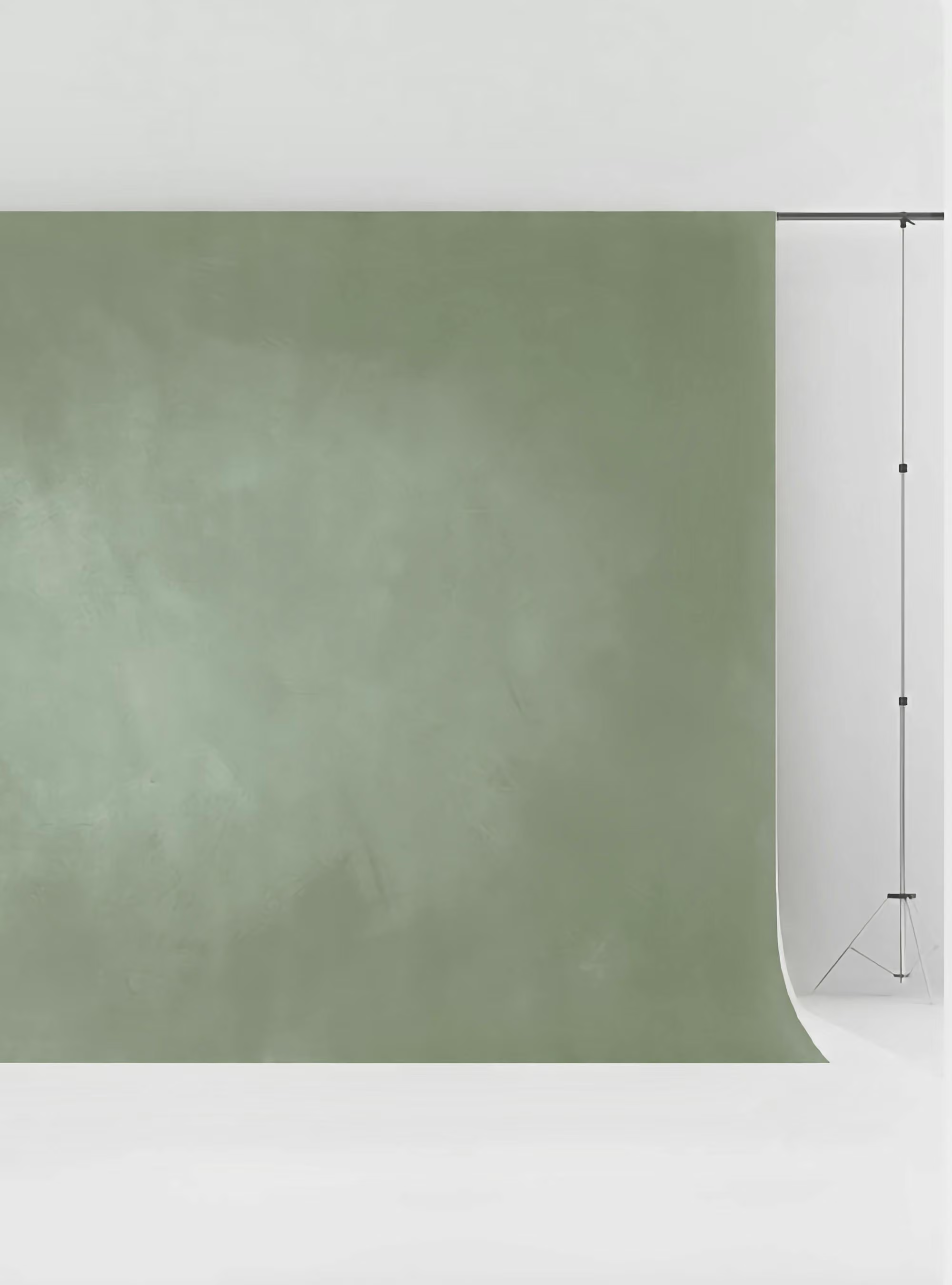
LaRosa Limewash can be used decoratively on certain fabrics, including unprimed canvas, calico and linen. It can create a soft, matte mineral finish that works particularly well for creative projects, artwork and photographic backdrops. Because limewash changes the surface of the fabric and is not a washable finish, it is best suited to decorative applications rather than fabrics that need to be regularly washed or handled.
This is the right guide if you want to learn how to:
- apply LaRosa Limewash to canvas, calico or linen
- create a painted photographic backdrop
- use limewash for artwork or decorative murals
- prepare raw or primed fabric
- create a soft, matte limewashed finish on fabric
- Whisk or mixing tool
- Bucket or suitable mixing container
- LaRosa Limewash
- LaRosa Prep Coat, if the fabric has already been primed
- Suitable LaRosa Limewash Brush
- For larger fabric surfaces and photographic backdrops, the LaRosa 4 × 14 Limewash Brush is a versatile choice.
Smaller brushes can be useful for artwork, murals and more detailed applications.

Lime Wash Brushes
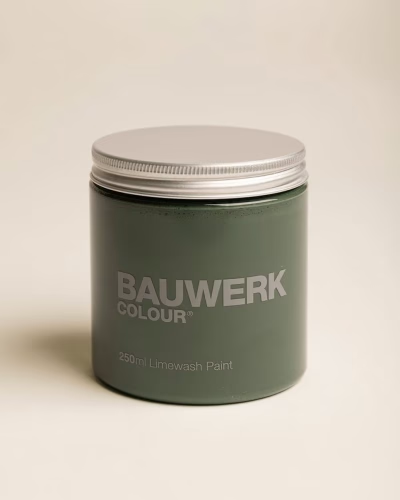
Limewash Paint

Whisk Mixing Tool
Limewash Coverage on Fabric
Fabric generally requires relatively little limewash compared with a conventional painted surface, although consumption will vary depending on the type and absorbency of the fabric and the level of coverage you want. For canvases and artwork: a small quantity of LaRosa Limewash is generally sufficient. For larger photographic backdrops: approximately 1 litre can cover around 10 m², depending on the fabric and application. These figures are a guide only. We recommend testing your chosen colour and application technique on a small piece of the same fabric before beginning a larger project.

Surface Preparation
Raw, unprimed canvas or linen:
LaRosa Limewash can be applied directly to suitable raw, unprimed canvas or linen. Make sure the fabric is clean, dry and free from dust or loose fibres before painting.
Primed canvas:
If your canvas has already been primed, apply 1 coat of LaRosa Prep Coat before applying the limewash. Allow the Prep Coat to dry according to the product instructions before continuing.
Test first:
Fabric can absorb and display colour differently from hard surfaces, so testing is particularly important. Apply your chosen LaRosa Limewash colour to a small, separate piece of the same fabric wherever possible. Allow it to dry completely before assessing the colour and opacity.
Before applying the limewash:
- Thoroughly stir the LaRosa Limewash to evenly distribute the pigments.
- Decant the required amount into a suitable container or bucket.
- Continue stirring regularly throughout the application.
- Choose a natural bristle limewash brush appropriate for the size of your fabric.
- For larger backdrops, the LaRosa 4 × 14 Limewash Brush is ideal for spreading the paint across larger areas. For smaller artwork or murals, a smaller limewash brush can provide greater control.
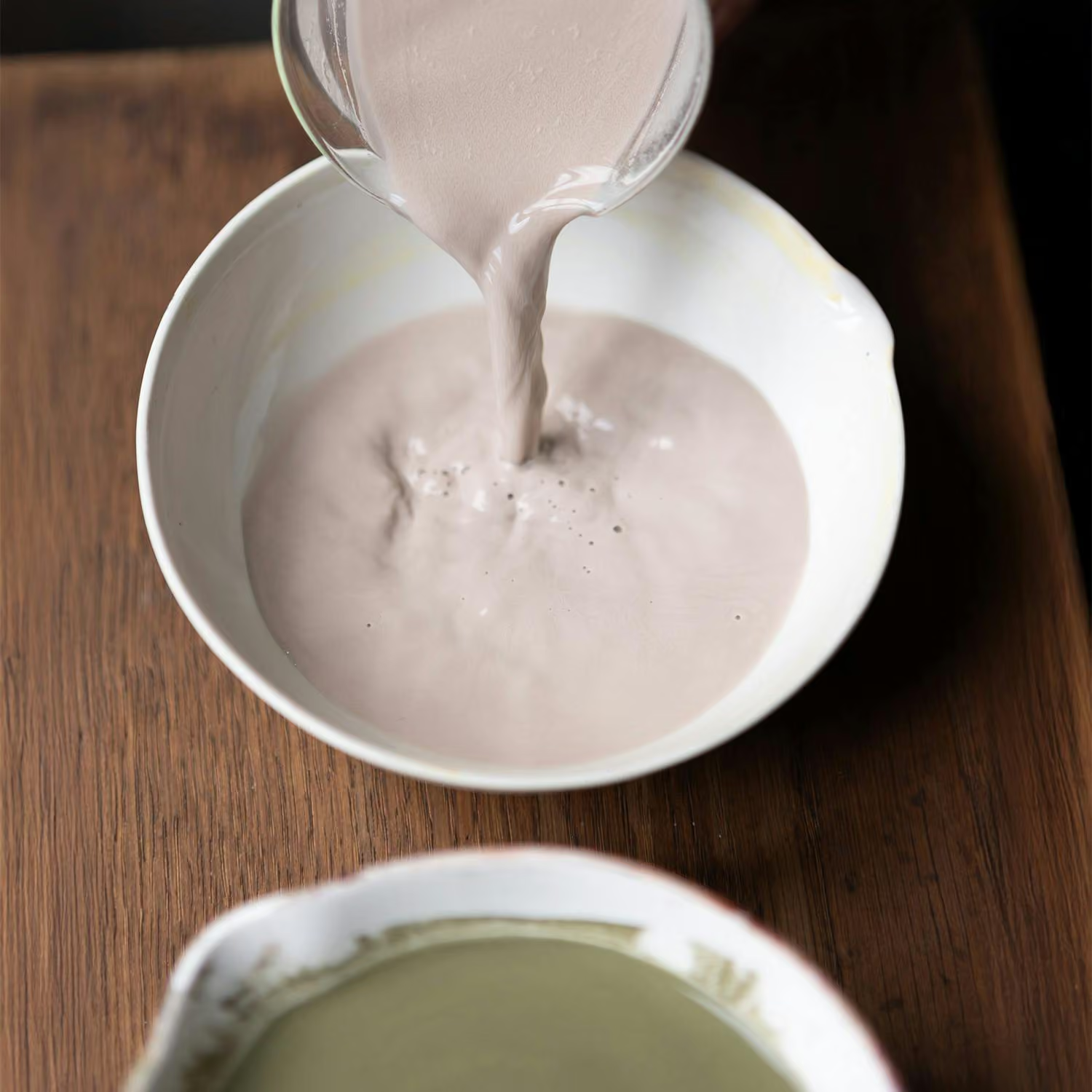
Limewash Paint Application
Applying LaRosa Limewash to Fabric:
Apply 2 coats
Two coats will generally provide a more consistent finish, although the number of coats can be adjusted depending on the look you want. For artwork and decorative applications, you may prefer a lighter application that allows some of the fabric texture to remain visible.
First coat:
Dip your natural-bristle brush into the limewash and flick off any excess. The brush should hold plenty of paint without dripping. For a large backdrop, begin in a corner and hold the brush at roughly a right angle to the fabric. Using the brush by its body rather than the handle can give you greater control. Use loose, free strokes and vary the direction of your brushwork. Allow the bristles to spread the limewash rather than applying heavy pressure. Work the limewash into a thin, even coat, avoiding runs or areas of excessive product. Where possible, maintain a wet edge as you work to minimise visible lines or changes in texture. Complete each section in one continuous application rather than returning to patch areas once they have started to dry. Allow the colour to develop. When wet, LaRosa Limewash will appear darker and more transparent. This is normal. Do not compensate by applying additional paint while the surface is wet. As the limewash dries, the colour will lighten and become opaquer.
Second coat:
Allow the first coat to dry before applying the second. Apply the second coat more quickly and loosely, working wet in wet where possible. The first coat should already provide the foundation, so there is no need to try to correct every small variation. Allow the fabric to dry completely before handling or using it.

Artwork and Mural Tips
LaRosa Limewash can be used creatively on canvas and fabric for artwork, decorative pieces and murals.
Keep the following in mind:
- LaRosa Limewash has a completely matte appearance.
- Fabric texture will remain part of the finished look.
- Use a smaller brush for artwork, murals and detailed areas.
- Apply thin, even coats rather than saturating the fabric with product.
- Test your colour and technique on spare fabric before beginning the final artwork.
- LaRosa Limewash will change the feel and care requirements of the fabric.
- Fabric painted with limewash should not be treated as washable in the same way as untreated fabric.
- For layered artwork where additional texture or a more conventional painted surface is desired, a suitable LaRosa finish can also be considered depending on the project.
Care and Maintenance:
Once LaRosa Limewash has been applied, the fabric should be treated as a decorative painted surface. It is not suitable for regular washing and should not be scrubbed or exposed to harsh cleaning products. For photographic backdrops and artwork, handle the finished fabric carefully to minimise rubbing, creasing and marking.

FAQs about Fabric, Canvas and Limewash
Can I apply LaRosa Limewash to canvas?
Yes. LaRosa Limewash can be applied decoratively to suitable raw, unprimed canvas. If the canvas has already been primed, apply 1 coat of LaRosa Prep Coat before limewashing.
Can I use limewash on linen or calico?
Yes. Linen and calico can be suitable for decorative limewash applications. Always test first, as different fabrics can absorb and display the colour differently.
Can I use limewash to create a photographic backdrop?
Yes. LaRosa Limewash can be used decoratively on suitable canvas or fabric to create photographic backdrops. For larger backdrops, the LaRosa 4 × 14 Limewash Brush is a practical choice for spreading the paint across the surface.