Concrete and Concrete Bricks
How to Apply LaRosa Limewash to Concrete Surfaces
LaRosa Limewash is suitable for new or previously unpainted, absorbent concrete surfaces, including fairfaced concrete, rough concrete, concrete blocks and concrete bricks. These surfaces can create a beautiful mineral finish that works particularly well with the natural texture and variation of concrete. If your concrete walls have already been painted, additional preparation is required to help the LaRosa Limewash absorb correctly. For these surfaces, refer to our guides for interior walls or exterior walls.
This is the right guide for you if you want to:
- Limewash internal raw concrete or concrete brick walls
- Limewash external raw concrete or concrete brick walls
- Prepare a concrete surface before applying limewash
- Learn how to apply LaRosa Limewash for an even, natural finish
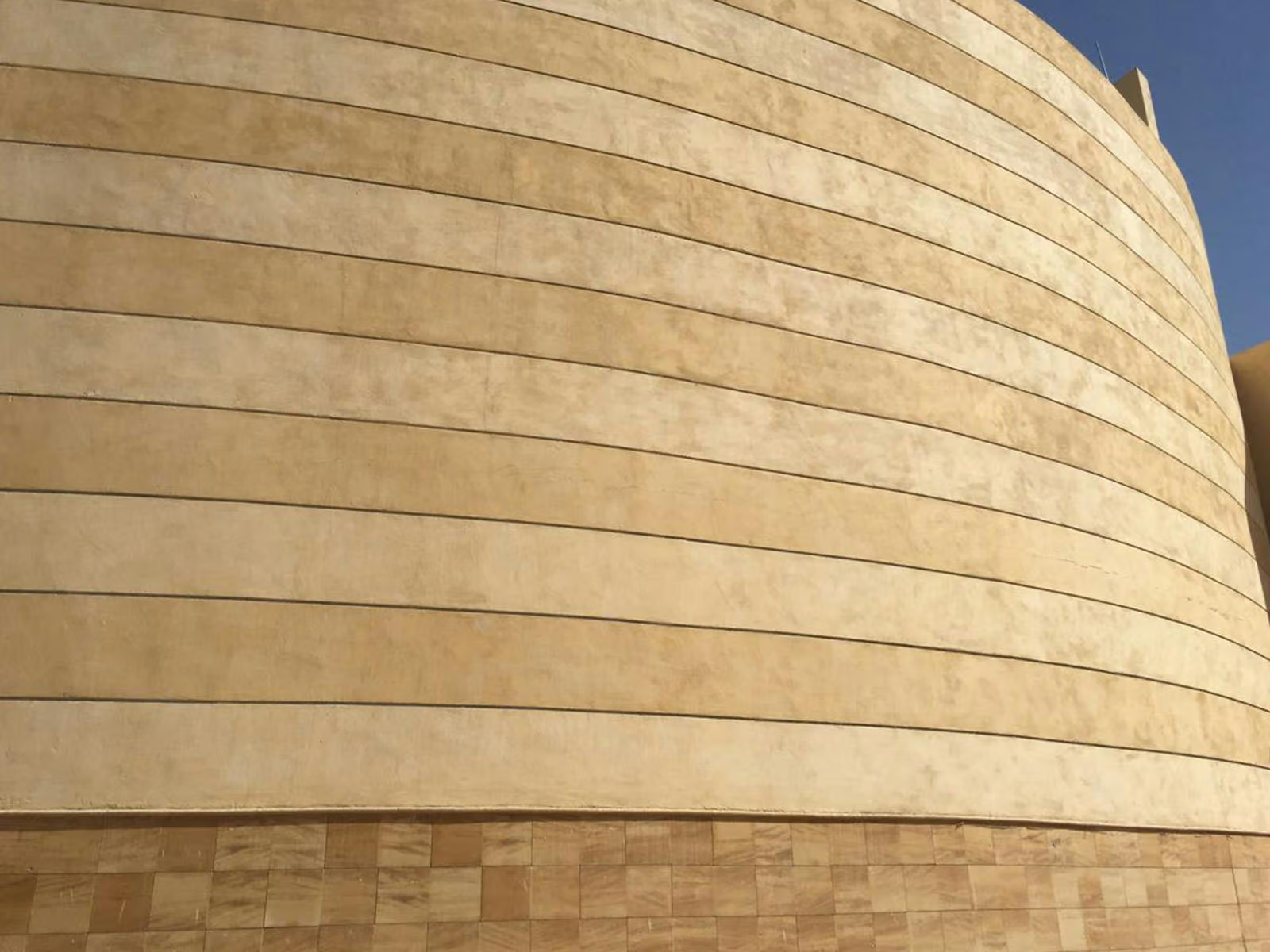
- Whisk or electric mixer
- Bucket or suitable mixing container
- LaRosa 4 × 14 Limewash Brush
- Clean water
- LaRosa Limewash

Lime Wash Brushes
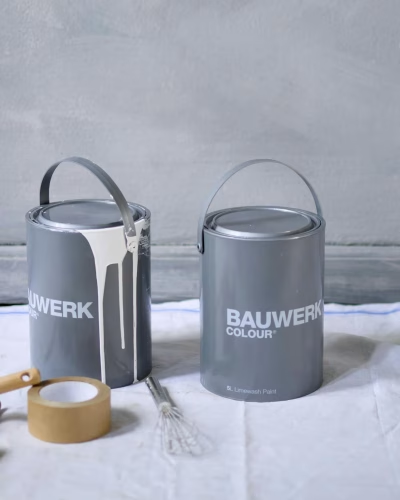
Limewash Paint

Whisk Mixing Tool
Planning and Preparation
When painting during construction or renovation, we recommend scheduling LaRosa Limewash as one of the final trades. This helps prevent other trades, tools or building equipment from damaging the finished surface.
Test Your Colour First
We always recommend testing your chosen colour before painting the entire wall. On raw concrete, apply your LaRosa Colour Tester to a separate piece of the same or similar concrete where possible. Testing directly on the finished wall can leave a visible patch. Move your test sample around and view it in different areas of the space and under different lighting conditions. Limewash can look quite different when wet compared with its final dry colour, so allowing it to dry fully is an important part of choosing your colour.
Coverage
On new, unpainted and absorbent concrete, LaRosa Limewash covers approximately 7–12 m² per litre, per coat, with 2–3 coats generally required for full coverage. Coverage will vary depending on the porosity, texture and condition of the concrete. More textured or absorbent surfaces may require additional product. For the most reliable indication of colour and coverage on your particular surface, we recommend using a LaRosa Colour Tester before committing to the full wall.

LaRosa Surface Preparation
Concrete should be clean, dry and free from dirt, dust and loose material before applying limewash.
- Brush down the surface thoroughly.
- Remove any loose or friable material.
- Lightly dampen the wall with clean water using a brush or light mist spray.
Dampening an absorbent concrete surface helps the limewash apply more easily and prevents it from drying too quickly as you work.
Previously Painted Concrete Surfaces
Previously painted internal and external concrete can be limewashed, but additional preparation is required. Painted surfaces are generally less absorbent than raw concrete, so the surface needs to be prepared to provide a suitable base for LaRosa Limewash.
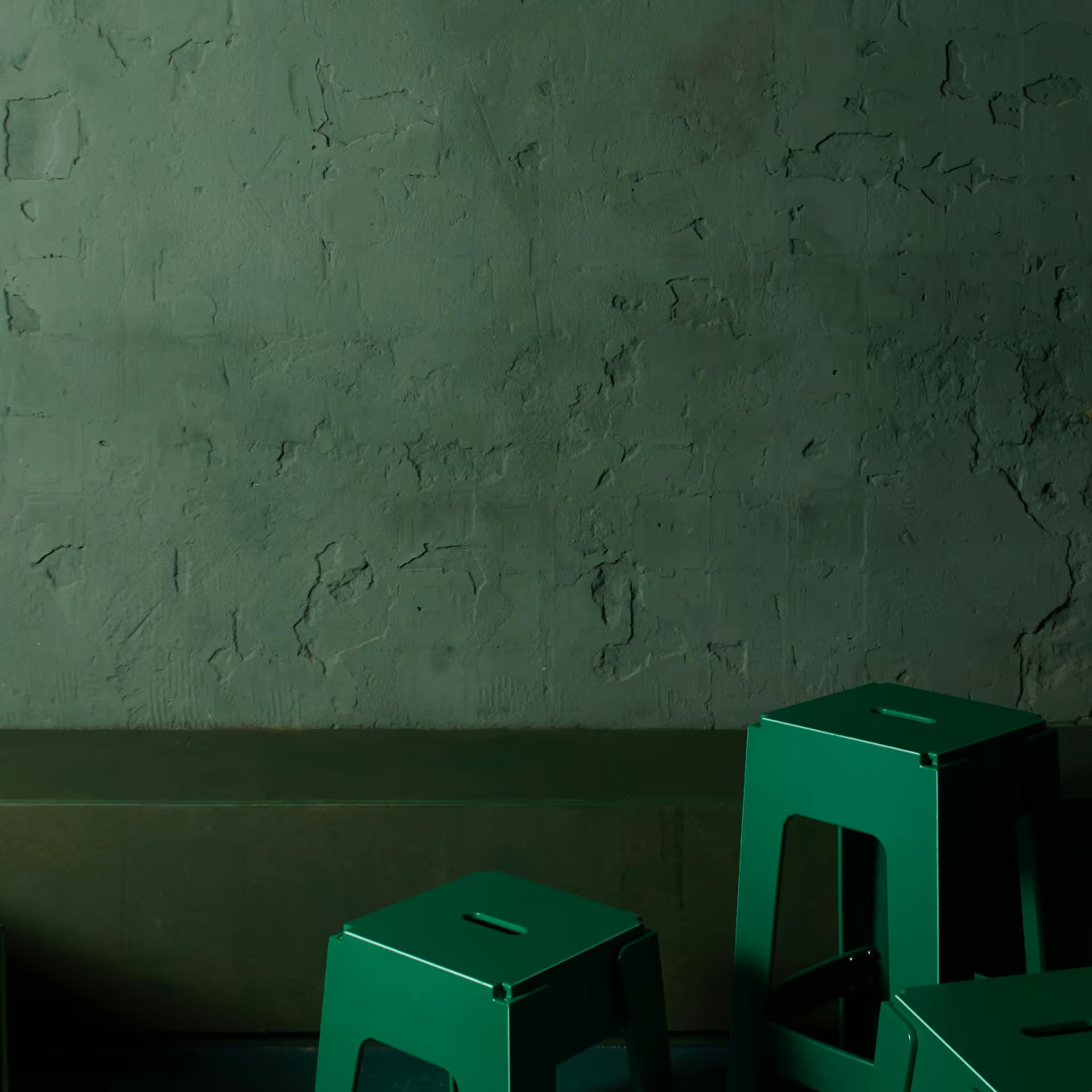
LaRosa Prepare Limewash
Before you begin:
- Thoroughly stir the LaRosa Limewash, making sure any settled pigment is fully incorporated.
- Decant the limewash into a suitable bucket or container.
- Continue stirring regularly throughout the application process.
- Choose the brush best suited to your concrete surface.
Our 4 × 14 Limewash Brush is ideal for flat or moderately uneven surfaces. If your concrete has deeper texture or recesses, a shorter, firmer bristled brush can make these areas easier to reach.
Applying LaRosa Limewash
Apply 2–3 Coats
- Dip your natural-bristle limewash brush into the paint, then remove excess with a flick of the wrist. The brush should hold plenty of paint without dripping.
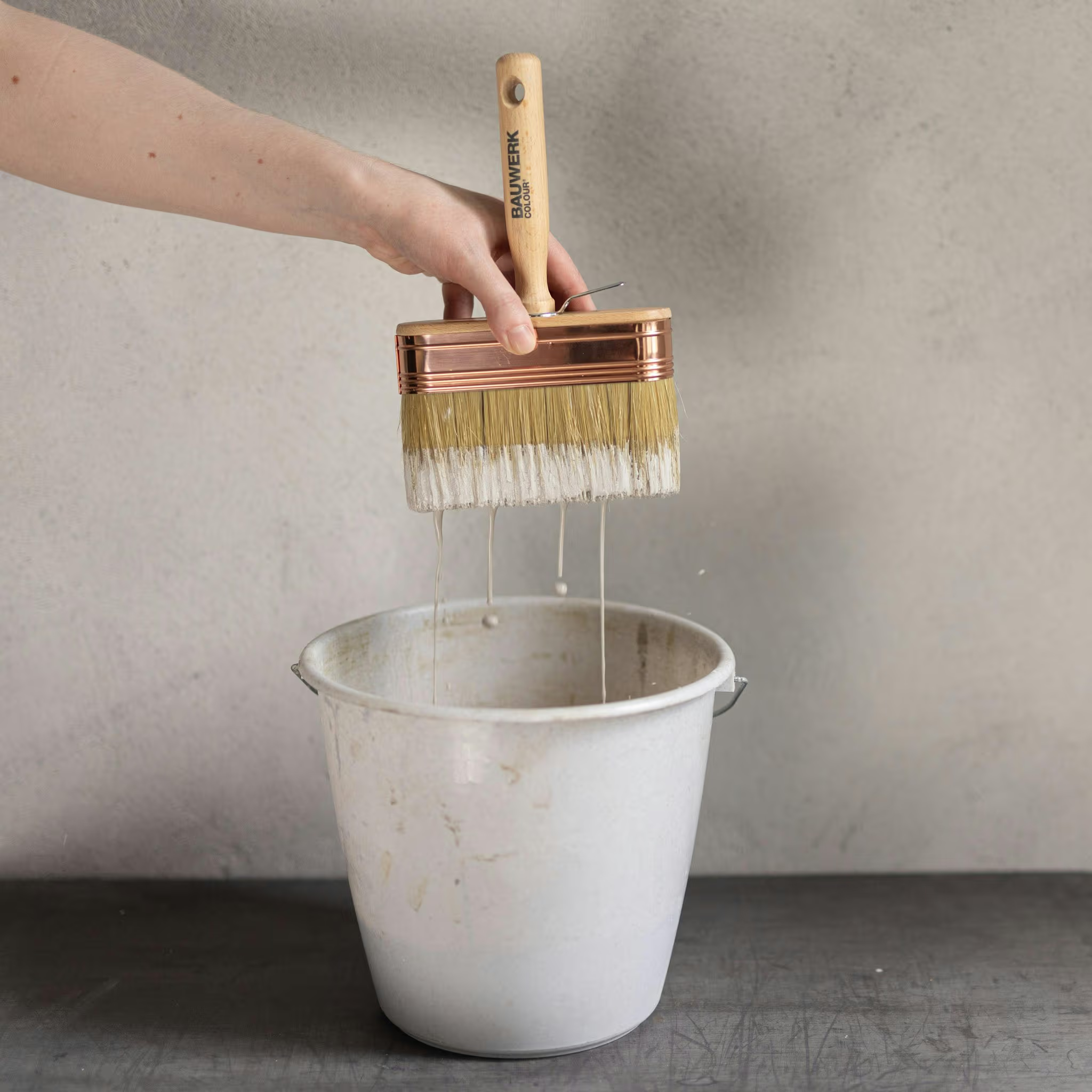
Prepare LaRosa Limewash
- Start in a corner, holding the brush at roughly a right angle to the wall. Holding the brush by the body rather than the handle can give you greater control.
- Use loose, free strokes and spread the limewash as far as possible. Vary the direction of your strokes as you work and allow the bristles to do the work rather than applying heavy pressure.
- On textured concrete or concrete blocks, use smaller back and forth or circular movements to work the limewash into deeper areas and recesses.
- Brush the limewash out into a thin, even coat. Avoid heavy build up, runs or drips, and make sure the surface is covered consistently.
- Maintain a wet edge as you work to minimise visible lines and changes in texture. Where possible, complete each coat in one continuous application. If you miss an area, leave it and cover it with the next coat rather than returning to a section that has already dried.
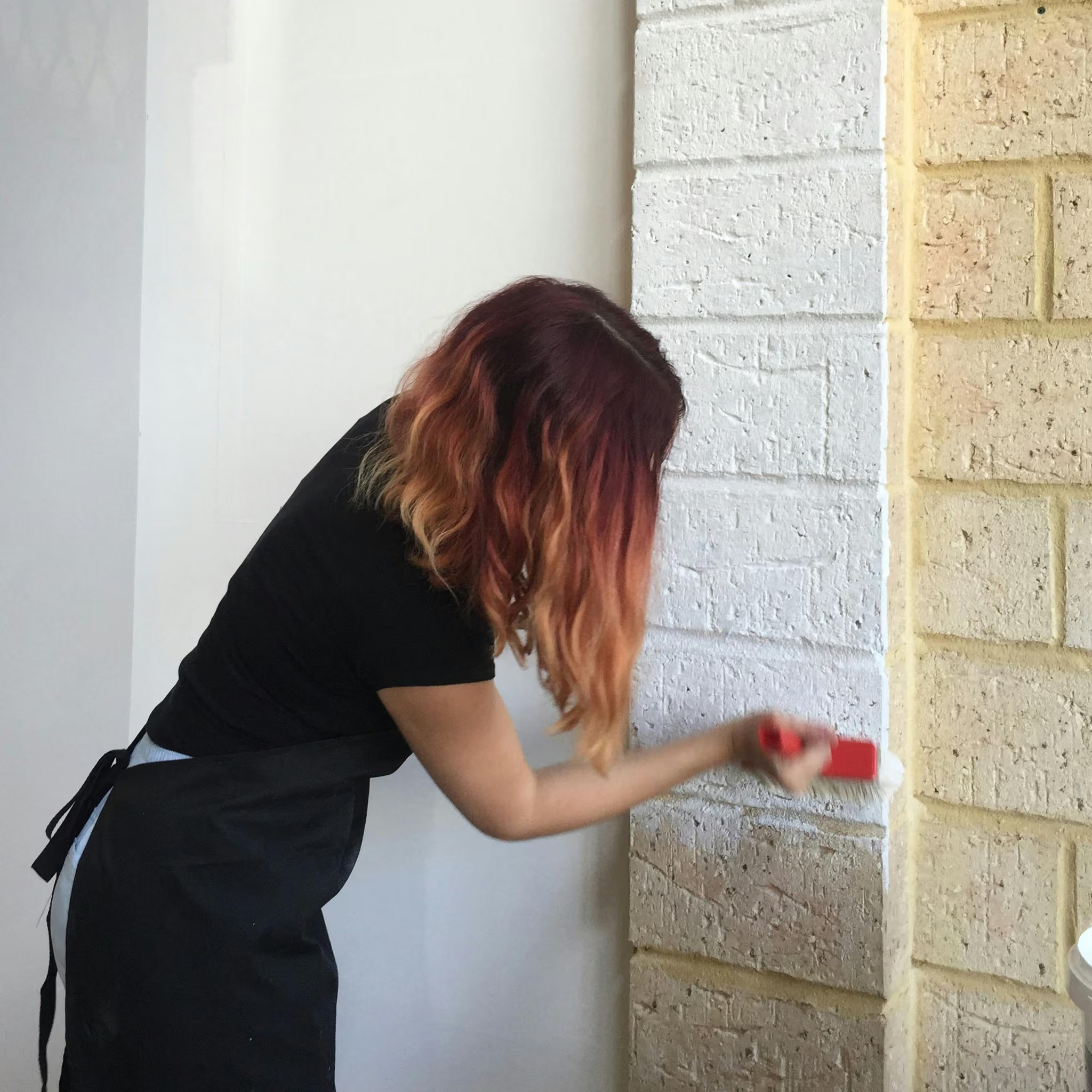
- On larger walls, work towards a natural stopping point such as a corner, joint or change in the wall plane. Allow the Colour to Develop. When LaRosa Limewash is wet, it will appear darker and more transparent. This is completely normal. Avoid applying additional product simply because the wet colour looks deeper than expected. As the limewash dries, it will lighten and become opaquer, revealing the intended colour and characteristic variation of the finish. Allow at least 1–2 hours between coats. For the second coat, there is no need to dampen the wall again. Work more quickly and loosely, using wet in wet application where possible. The first coat should already provide the base coverage, so small missed areas are not a concern.
White Limewash Colours
When using LaRosa Limewash whites, maintaining a strict wet edge is less important. These colours are easier to patch and can be suitable for small spot touch ups.

Cleanup and Maintenance
- A third coat can be applied if desired, depending on your colour and coverage preferences.
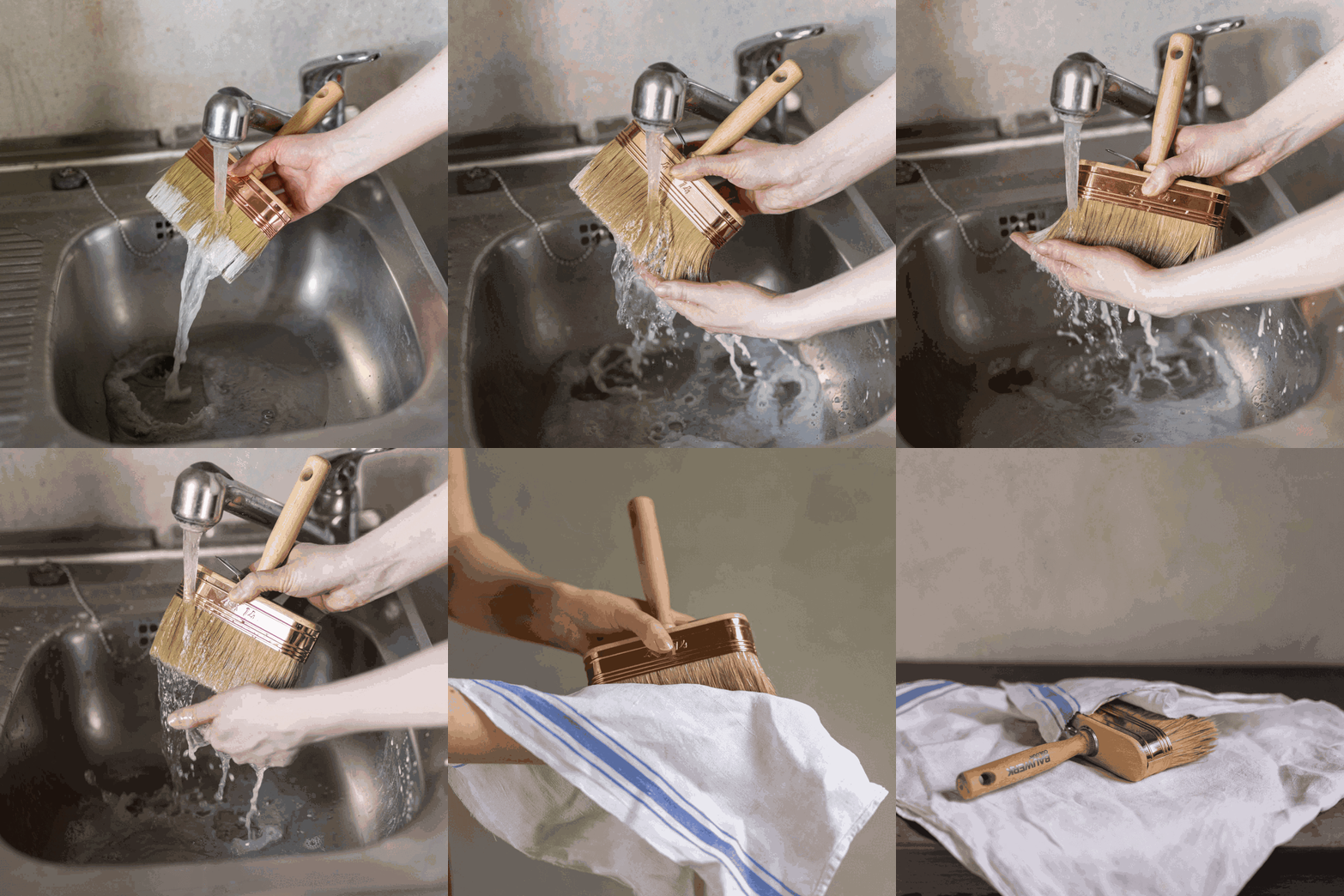
- Wash brushes, tools and containers thoroughly with water after use.
- Avoid harsh chemicals or aggressive cleaning methods that could affect the limewash finish.
- If the surface needs refreshing over time, another coat of LaRosa Limewash can be applied once the surface has been properly prepared.
FAQs About Concrete and Limewash
What types of concrete can I limewash?
LaRosa Limewash can be applied to new or previously unpainted, absorbent concrete, including fairfaced concrete, rough concrete, concrete blocks and concrete bricks. If your concrete has already been painted, additional preparation is required before limewashing.
What should I know when choosing a colour for concrete?
Concrete can vary significantly in colour, texture and absorbency, so we recommend testing your chosen colour before painting the full surface. Use a LaRosa Colour Tester on a piece of the same or similar concrete and allow it to dry completely. Viewing the sample in different lighting will also help you understand how the colour will look in the finished space.
How much LaRosa Limewash will I need for concrete?
On new, unpainted and absorbent concrete, coverage is approximately 7–12 m² per litre, per coat. Most projects will require 2–3 coats for full coverage. Actual coverage depends on the porosity, texture and condition of the concrete, so your requirements may vary.
Will LaRosa Limewash completely cover concrete bricks or concrete walls?
LaRosa Limewash creates a naturally varied mineral finish rather than a conventional opaque paint finish. Concrete texture and variation may remain visible through the finished surface. For a more complete or consistent appearance, additional coats may be required. We recommend using a LaRosa Colour Tester first to see how your chosen colour behaves on the particular concrete surface
Will my limewash colour fade outdoors?
Exterior limewash can naturally change over time as it is exposed to weather and sunlight. The rate of change will depend on factors including exposure, surface condition and colour. If your exterior concrete has previously been painted or sealed, make sure it is correctly prepared before applying LaRosa Limewash.