Painting over Previously painted walls
How to Prepare Previously Painted Walls for LaRosa Limewash
Previously painted walls need a little extra preparation before they can be limewashed. LaRosa Limewash works best on a moderately absorbent surface, while most existing painted walls are too sealed to absorb limewash evenly. The goal of preparation is to create a consistent surface with an even level of absorbency. This is especially important where your wall has repairs, filled cracks, stains or patched areas, as these can absorb limewash differently and may show through the finished surface. With the right preparation, previously painted walls can be transformed with the soft, natural variation of a LaRosa Limewash finish.
This guide will help you learn how to:
- Limewash previously painted interior walls
- Limewash previously painted exterior walls
- Prepare painted walls before applying limewash
- Prepare walls with repairs, stains or filled areas
- Before You Begin
The preparation required will depend on the condition of your existing paint and whether you’re working indoors or outdoors. Before starting, check that the existing coating is firmly adhered, clean and free from loose or flaking paint. Any repairs, stains or damaged areas should be addressed before moving onto the limewash preparation. If you’re unsure how your existing surface will respond, we recommend testing a small area first. LaRosa Colour Testers are a great way to explore your chosen colour and see how it behaves on your particular surface before committing to the full wall.


Primer/Sealer
For interior walls with repairs, stains or areas of uneven absorption, a good quality water based drywall or plasterboard undercoat primer can help create a more consistent surface. The primer helps isolate stains and reduce differences in absorption between the existing wall and repaired areas, helping to prevent unwanted “ghosting” beneath the limewash. Avoid solvent based products. If you’re unsure which product is suitable, your local Australian paint or building supplier can help you choose an appropriate water based primer for your surface.
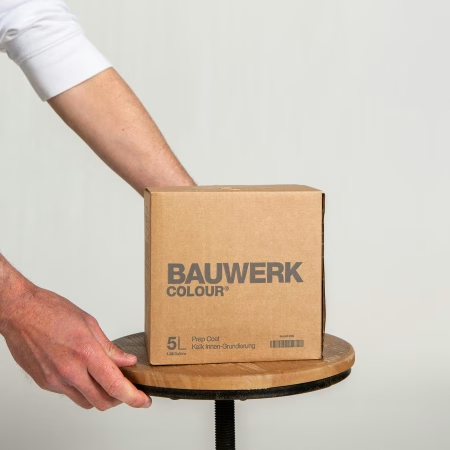
LaRosa Prep Coat
LaRosa Prep Coat is a preparatory coating designed to create a consistent surface for limewash. It is important to note that Prep Coat is not a primer or sealer. Instead, it acts as a bridging layer between a suitably prepared surface and LaRosa Limewash. Prep Coat creates a uniform, matte white background with the appropriate absorbency for limewash application. It can typically be applied over a suitable primer or well adhered emulsion paint
Acrylic Render
Previously painted exterior surfaces require a different approach to interior walls. For painted exterior masonry, including render, concrete, mortar, brick and stone, we recommend applying a suitable thin acrylic render before limewashing. This creates an absorbent surface suitable for LaRosa Limewash while helping to minimise the effect of the existing paint underneath. If your interior wall is previously painted and is free from significant repairs, stains or damage, the preparation process is relatively simple.
Internal Surface Preparation:
Step 1: Check the Existing Finish
If the existing paint has a gloss or shiny finish, lightly sand the surface to reduce the sheen. Matte finishes generally don’t require sanding. Make sure the surface is clean, sound and free from dust before continuing.
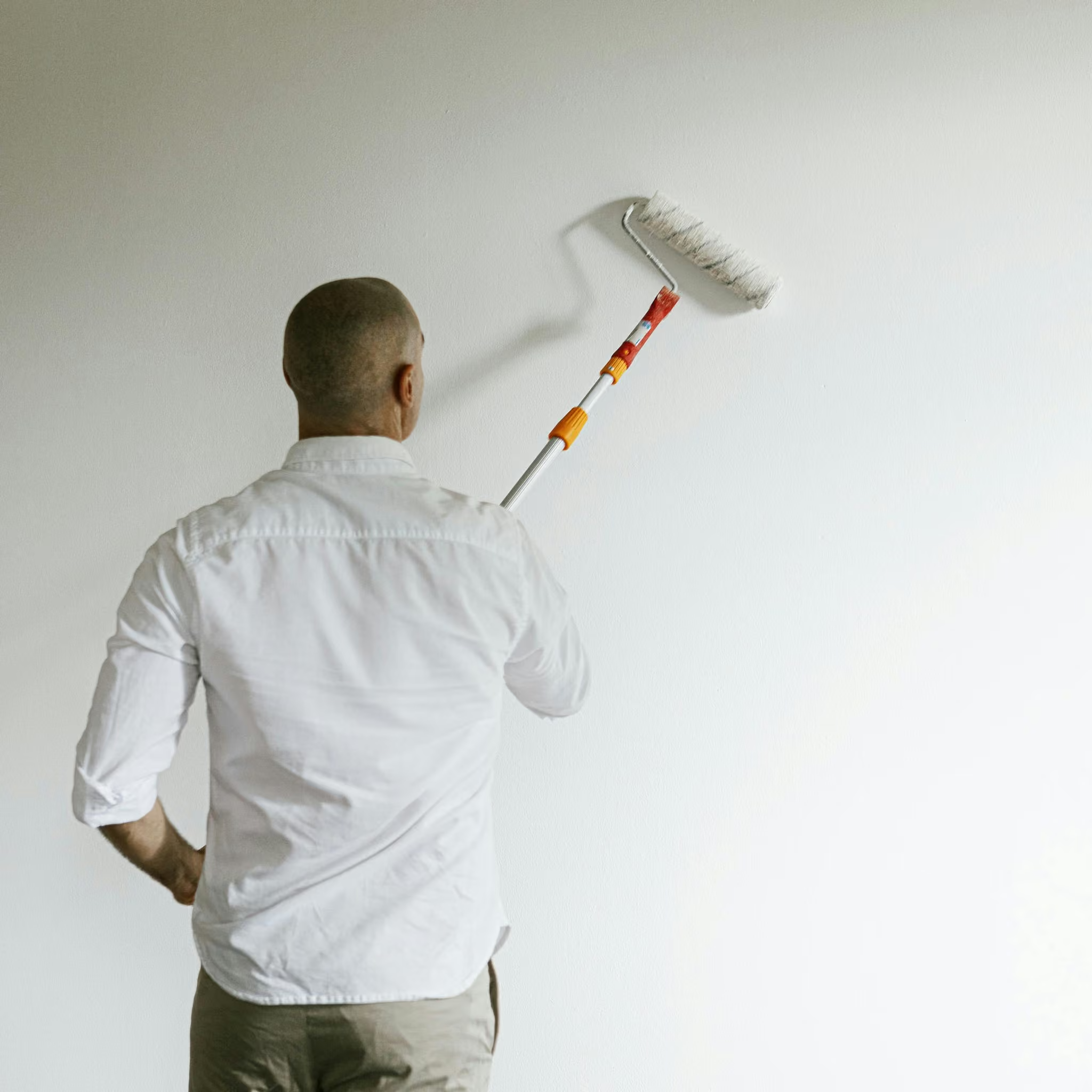
Step 2: Apply LaRosa Prep Coat
Apply 1 coat of LaRosa Prep Coat. It can be rolled, brushed or sprayed. If you’re limewashing a ceiling as well as the walls, complete the ceiling first. When applying Prep Coat, begin near a window and work away from the direction of the light. This can help you maintain a consistent finish as you work. For the best result, apply the Prep Coat wet on wet, including when cutting in. Keep your application even and avoid creating visible lines or a picture framing effect. Blend vertical strokes with horizontal strokes without adding more paint, and aim to complete each wall in one continuous application. LaRosa Prep Coat is generally dry and ready to recoat after 4–6 hours at 20°C, depending on conditions. Once dry, the surface is ready for LaRosa Limewash.
Internal Surface Preparation:
Previously Painted Walls With Repairs or Stains:
Walls with repairs, filled cracks, stains or patched areas require an additional preparation step. These areas can absorb coatings differently from the surrounding wall. Without proper preparation, the repaired areas may remain visible through the limewash.
Step 1: Prime the Surface
Apply 2 coats of a good quality water based drywall or plasterboard undercoat primer. This helps even out the absorbency across the wall and reduces the chance of repaired or patched areas showing through the limewash. Avoid solvent based products. The primer can be tinted or clear. The important thing is that it creates a suitably consistent surface. Always follow the primer manufacturer’s instructions, including the recommended drying and curing time between coats.
Step 2: Apply LaRosa Prep Coat
Once the primer is ready, apply 1 coat of LaRosa Prep Coat. Prep Coat can be rolled, brushed or sprayed. Complete ceilings before walls, and begin near a window, working away from the direction of the light. Apply wet on wet, including when cutting in, and keep the coating consistent across the wall. Blend vertical and horizontal strokes without adding additional paint and, where possible, finish each wall in a single application. Allow 4–6 hours at 20°C for the Prep Coat to dry before applying limewash, depending on conditions.

External Surface Preparation
Previously Painted Masonry:
This preparation is suitable for previously painted exterior surfaces such as:
- Render
- Concrete
- Mortar
- Brick
- Stone
Step 1: Prepare the Existing Surface
Complete any necessary repairs before beginning. Remove dust, loose particles and any paint or material that is not firmly adhered to the surface. If the existing paint has a gloss or sheen, lightly sand the wall to reduce the surface gloss. The wall should be clean, sound and suitably prepared before continuing.
Step 2: Apply Thin Acrylic Render
Apply a suitable thin acrylic render over the previously painted exterior surface. The render provides an absorbent layer to help prepare the surface for LaRosa Limewash. Allow the render to dry and cure according to the manufacturer’s instructions before applying limewash.
Remember that preparation is just as important as application when working over previously painted surfaces. Creating a consistent level of absorbency gives your limewash the best chance of developing an even, natural finish. Before committing to the full wall, use a LaRosa Colour Tester on a small section or suitable sample board.