Mixed and Repaired Surfaces Guide
How to Apply LaRosa Limewash to Mixed or Repaired Surfaces
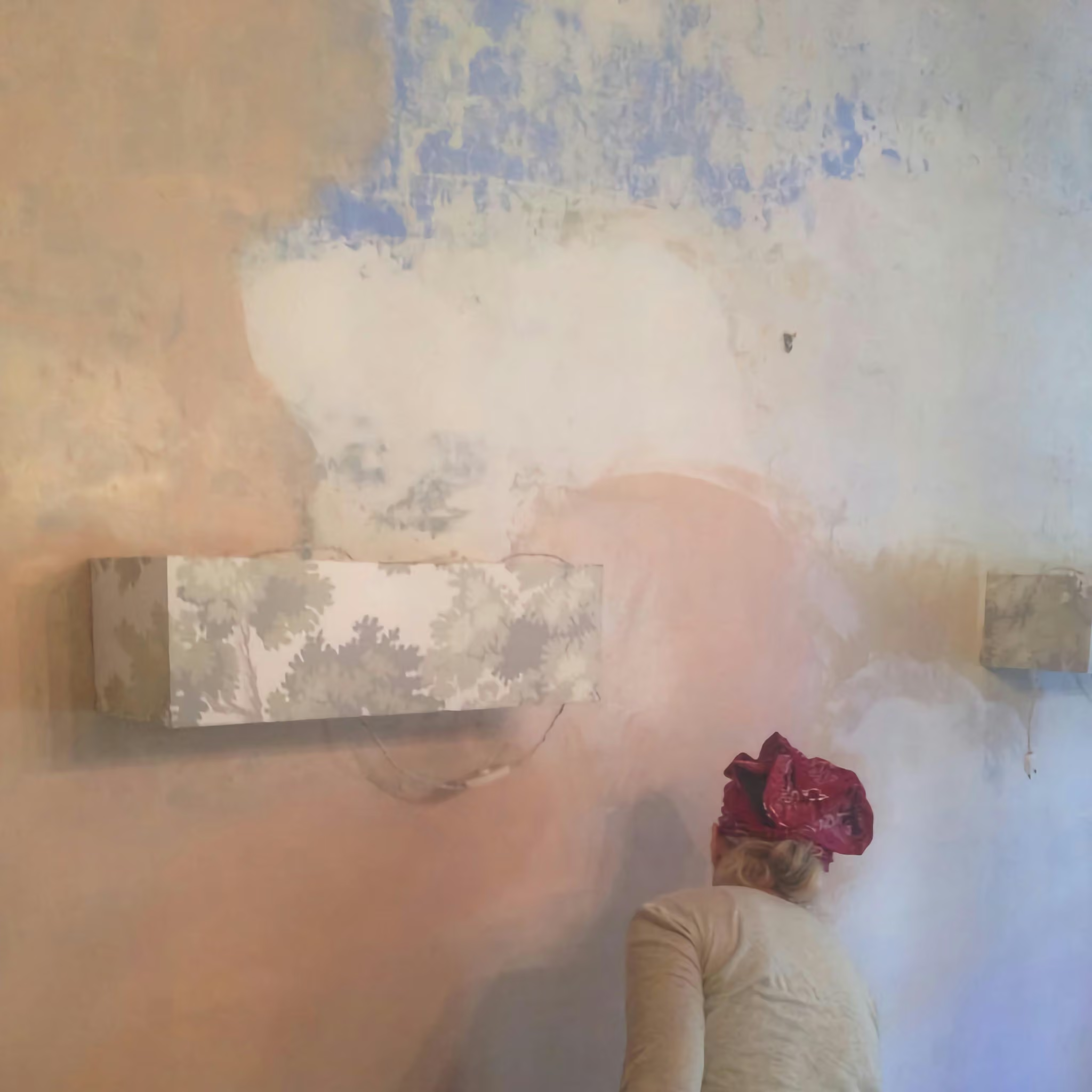
Walls made from different materials, such as brick and plasterboard, or walls that have been patched or repaired, can absorb limewash differently across the surface. These differences in absorbency can create variations in colour and texture. This natural variation can be part of the beauty of LaRosa Limewash. However, if you prefer a more consistent finish, the right surface preparation can help create a more uniform result.
This guide will show you how to:
- Limewash walls that have been patched or repaired
- Limewash walls made from different materials or substrates
- Prepare mixed surfaces for limewash
- Choose between a more natural or uniform finish
- Apply LaRosa Limewash Paint
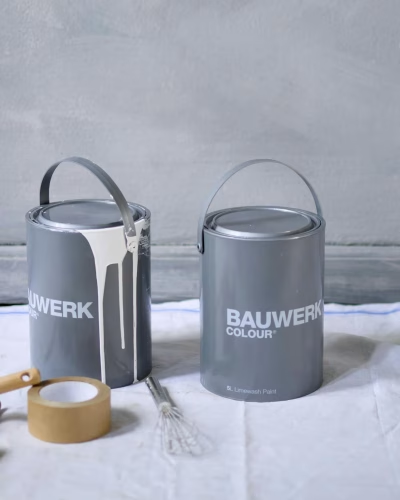
For this project, you may need:
- Whisk or electric mixer
- Bucket
- LaRosa 4 x 14 Limewash Brush
- Suitable water-based undercoat sealer/primer
- LaRosa Prep Coat
- LaRosa Limewash Paint
- Suitable render product for exterior surfaces, where required

Lime Wash Brushes
Limewash Paint

Whisk Mixing Tool
Planning and Preparation
If you are renovating or building, we recommend applying limewash towards the end of the project. This helps protect the finished surface from damage caused by other trades, tools and building equipment. Before you begin, identify the different materials on your wall and check whether any areas have been patched, repaired, painted or sealed. Different substrates can have very different levels of absorbency. Raw brick, plaster, plasterboard, render and repaired areas may each absorb limewash differently. You can either embrace this natural variation or prepare the surface to create a more consistent finish.
Coverage
Coverage will depend on the surface and how it has been prepared.
Interior surfaces:
LaRosa Limewash Paint over raw, absorbent walls covers approximately 7–10 m² per litre, per coat, with 2 coats required. LaRosa Limewash Paint over LaRosa Prep Coat covers approximately 10–15 m² per litre, per coat, with 2 coats required. LaRosa Prep Coat over previously painted walls cover approximately 6 m² per litre, per coat, with 1 coat required.
Exterior surfaces:
LaRosa Limewash Paint over previously painted or sealed exterior walls covers approximately 15–20 m² per litre, per coat, with 2 coats required. Coverage is a guide only. Actual consumption will vary depending on the porosity, texture and condition of the surface, as well as your application technique. We recommend using a LaRosa Limewash colour tester to test your chosen colour and see how much product your particular surface requires.

Surface Preparation
Patched and Repaired Walls:
Patched and repaired areas often have a different absorbency to the surrounding wall. If limewash is applied directly over these areas, they may appear darker, lighter or more prominent once the paint dries. This is sometimes called ghosting, where repairs or differences in the underlying surface remain visible through the finished paint. For a more consistent finish, we recommend sealing repaired areas. If the wall contains extensive repairs or several different materials, sealing the entire wall may produce the best result.
Interior Repaired Surfaces:
Step 1: Prime
Apply 2 coats of a suitable water-based undercoat-sealer/primer to create a more consistent surface. If only a small section has been repaired, you may be able to prime the repaired area. For walls with extensive repairs or multiple substrates, priming the entire wall is generally the better approach.
Step 2: Apply LaRosa Prep Coat
Apply 1 coat of LaRosa Prep Coat over the prepared surface. Prep Coat creates a suitable bridging layer before limewashing and helps provide more consistent conditions for applying the limewash. Exterior repaired surfaces require a different approach. For exterior walls, we recommend applying a suitable thin acrylic render where appropriate. If an exterior rendered surface requires patching or repairs, a suitable mineral render can be used for the repair. This creates an absorbent surface suitable for limewash application. If limewash is applied over a sealed or non absorbent exterior surface that is exposed to the elements, the finish may require more frequent maintenance.
Mixed Materials
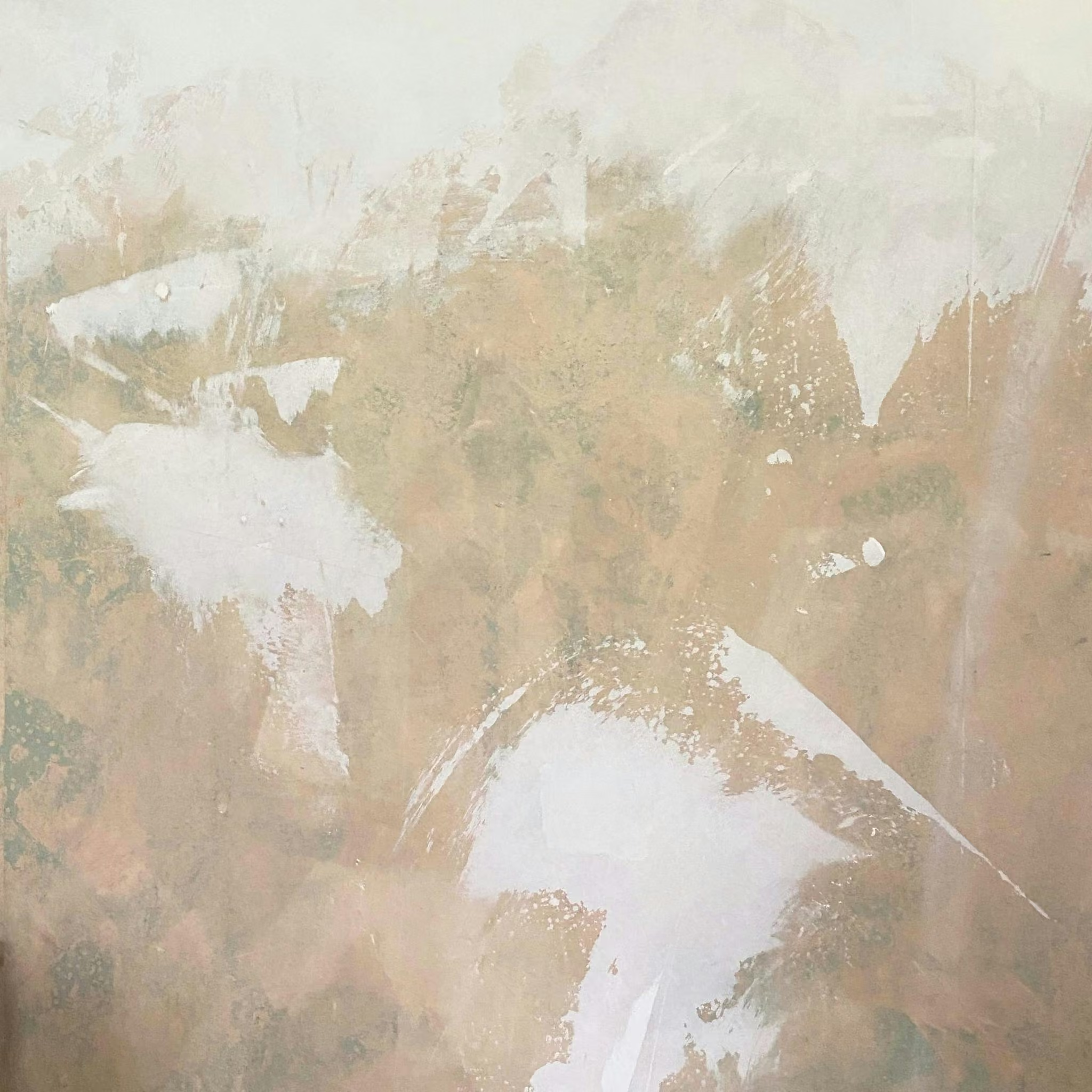
When limewashing a wall made from different materials, differences in absorbency can create natural variations in colour and texture. For example, a wall combining brick and plasterboard may not absorb limewash in exactly the same way. Rather than treating this as a problem, you can decide whether you want to highlight that variation or minimise it through preparation.
Option 1: Embrace Natural Variation
If you like the character and movement created by different substrates, less preparation may be required.
Previously Painted Interior Walls:
If the existing paint is sound, lightly sand any glossy areas and apply 1 coat of LaRosa Prep Coat.
Previously Painted Exterior Walls:
Apply a suitable thin acrylic render before applying limewash, where appropriate.
Raw Absorbent Masonry:
Raw, absorbent masonry generally does not require a sealer or primer. Before limewashing, lightly dampen the surface with clean water using a brush or light mist spray. This helps prevent the limewash from being absorbed too quickly and makes application easier.
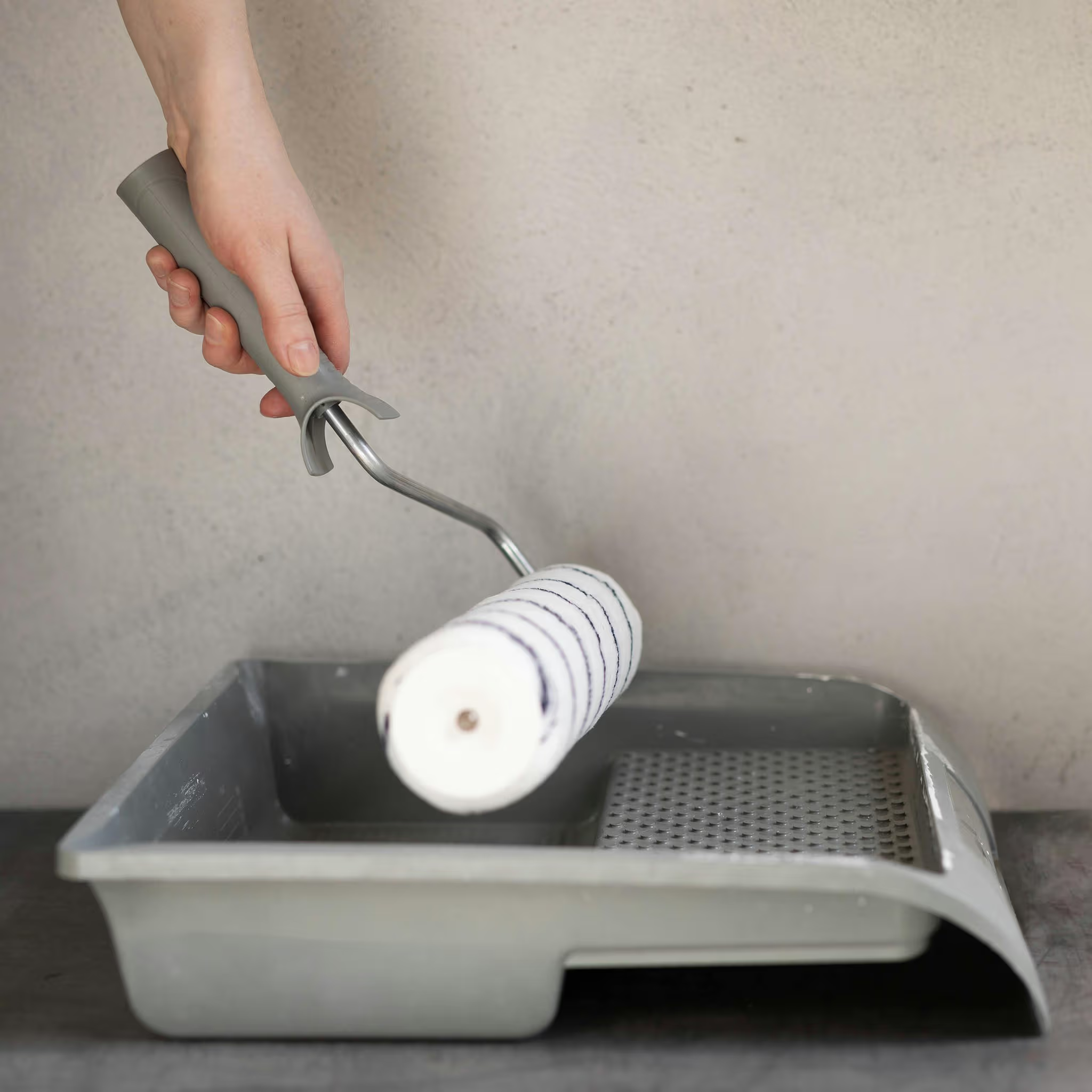
Prepare Your LaRosa Limewash
Option 2: Create a More Uniform Finish
If you prefer a more consistent appearance across different materials, prepare the wall so that the various substrates have a more uniform base. Before starting, make sure the surface is clean and free from dirt, dust and loose material.
Interior Mixed Surfaces
Step 1: Apply 2 coats of a suitable water based undercoat-sealer/primer to create a consistent surface.
Step 2: Apply 1 coat of LaRosa Prep Coat.
Once the Prep Coat is dry, you can begin applying your LaRosa Limewash.
Exterior Mixed Surfaces
Apply a suitable thin acrylic render across the surface before applying limewash, where appropriate. This can help create a more consistent absorbent base across different exterior materials.
Before you begin painting:
Stir the limewash thoroughly, making sure all pigment is evenly mixed throughout the paint. Avoid painting directly from a full bucket. Decant a manageable amount into a separate container, with around 8 cm (3 inches) of paint in the bucket. Continue stirring regularly throughout application to keep the pigments evenly distributed. An electric mixer, whisk or similar mixing tool can make this easier. Use an absorbent natural bristle limewash brush. Our 4 x 14 Limewash Brush is a popular size and works well for most applications.
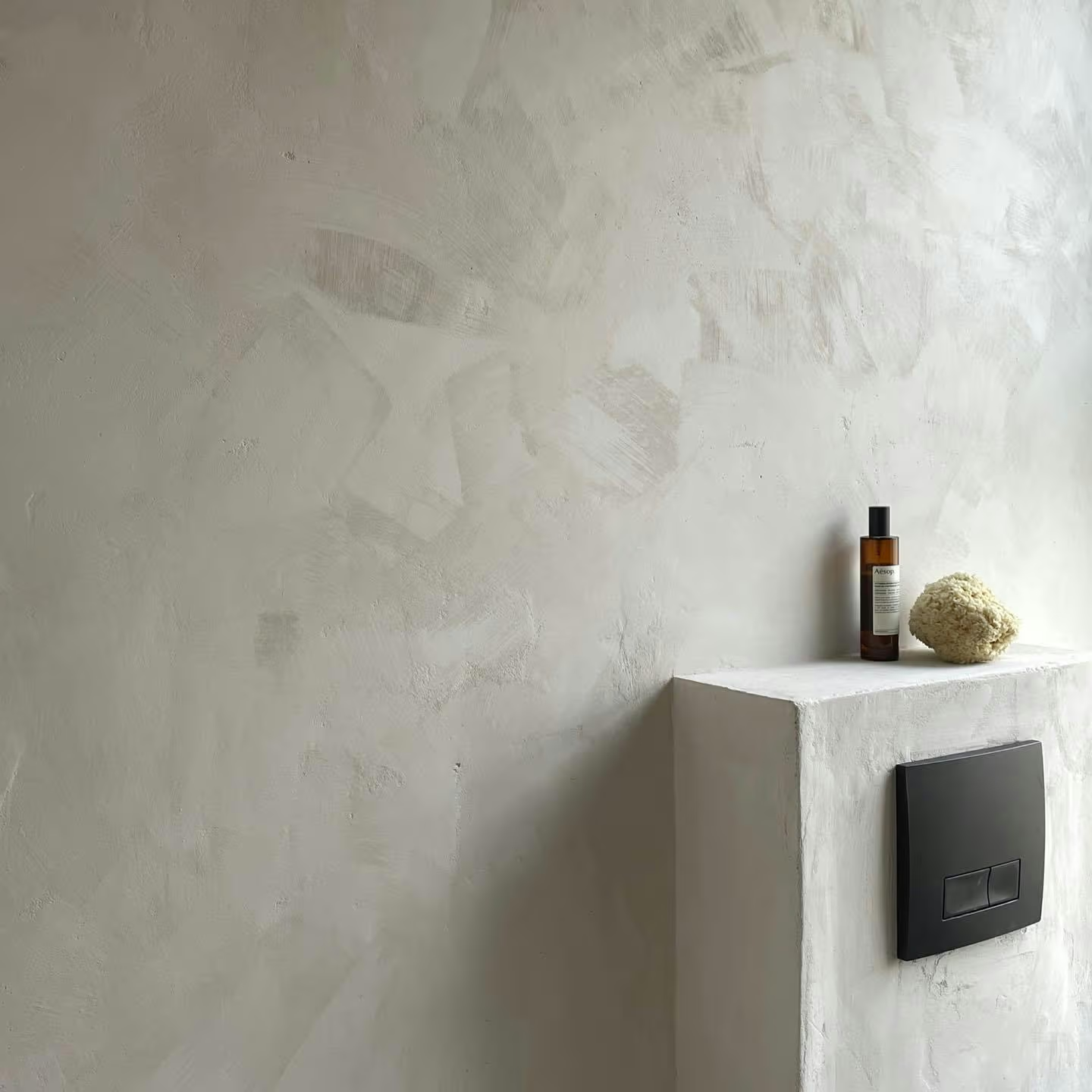
LaRosa Limewash Paint Application
Step 3: Apply LaRosa Limewash
Apply 2 coats of LaRosa Limewash Paint.
Load your brush:
Dip the brush into the limewash and flick off any excess. The brush should hold plenty of paint, but it should not be dripping.
Start in a corner:
Begin in a corner of the wall and hold the brush approximately at a right angle to the surface. For greater control, you may find it easier to hold the brush by the body rather than the handle.
Use loose, varied strokes:
Work with loose, free strokes and allow the bristles to spread the paint across the surface. Vary the direction of your strokes as you work. There is no need to press heavily. Let the brush do the work and allow the natural movement of the limewash to develop.
Keep the coat thin and even:
Brush out the limewash into a thin, even coat, avoiding runs and heavy deposits. For most colours, maintain a wet edge while working. This helps prevent visible lines or overlap marks as the limewash dries. Complete each coat in one continuous application where possible. If you notice a missed area after the coat has dried, don’t try to patch it immediately. The next coat can cover small areas that need additional coverage.
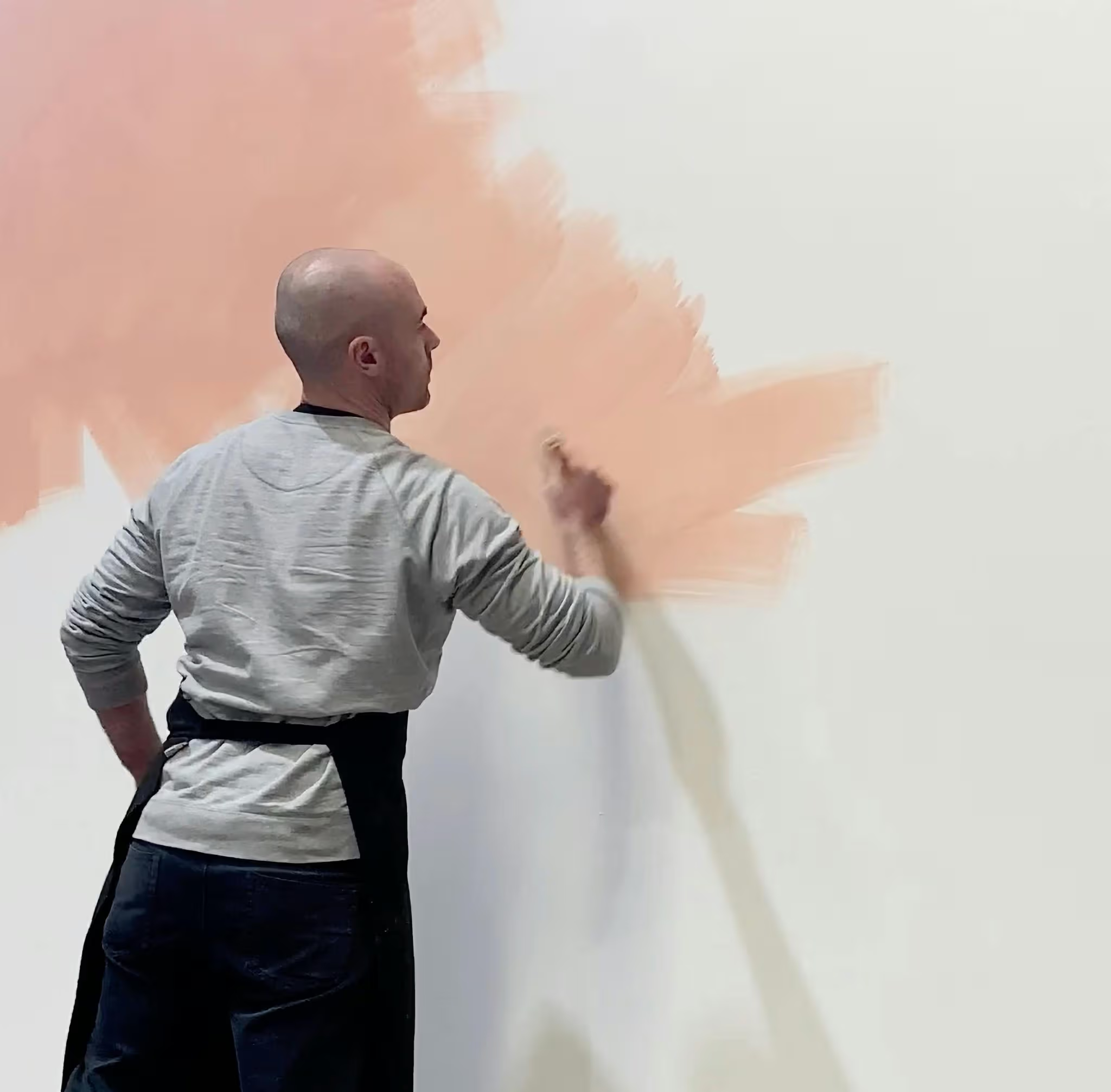
LaRosa Limewash Paint Application
Don’t judge the colour while it’s wet
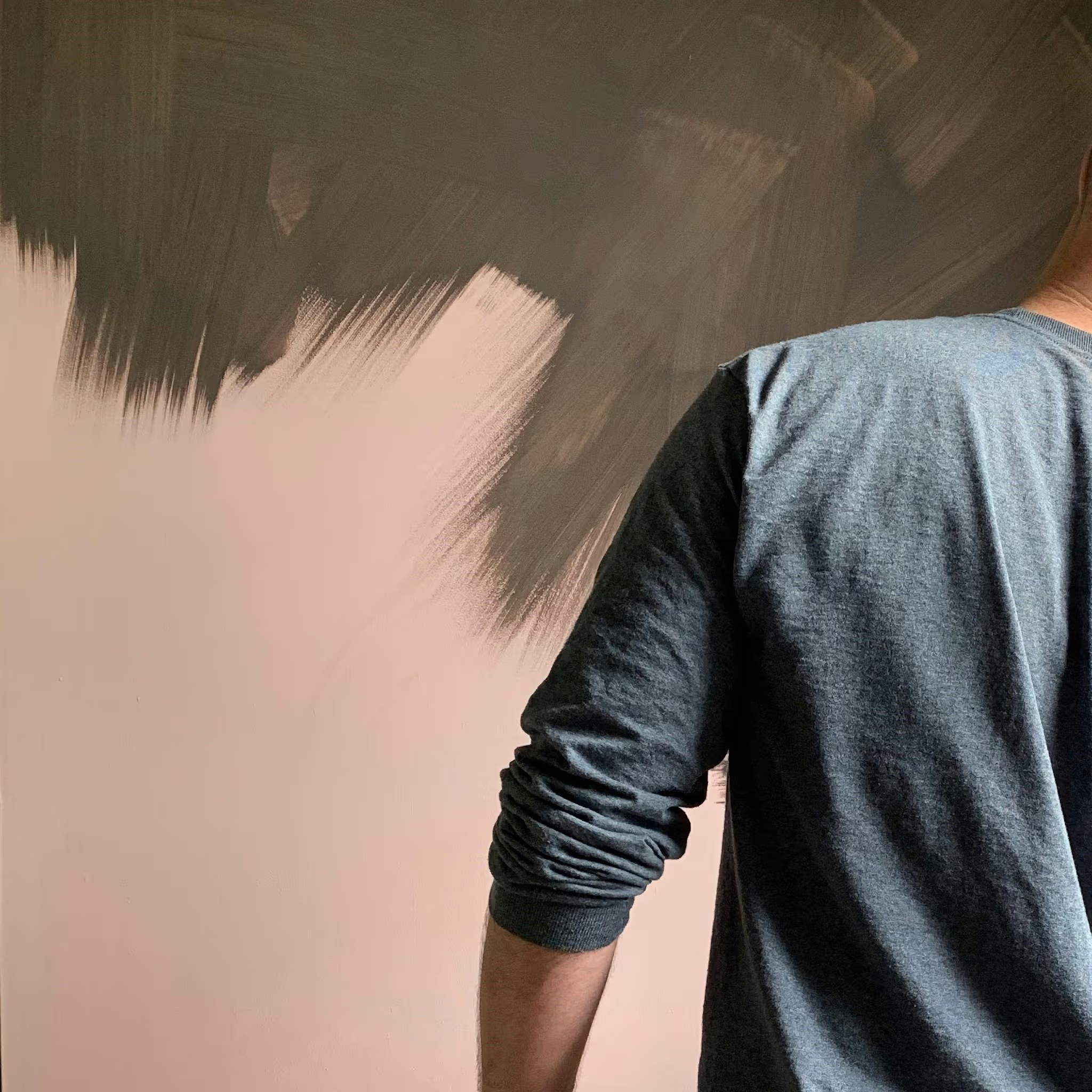
Limewash naturally looks darker and more transparent when wet. Do not apply extra paint simply because the wet colour appears darker than expected. As the limewash dries, it will lighten and become opaquer.
Apply the second coat:
Allow at least 1–2 hours between coats, or until the first coat is sufficiently dry. Apply the second coat more quickly and loosely, allowing the first coat to provide the base. Allow the final coat to dry completely.
White Limewash Paint
When using our white limewash colours, maintaining a wet edge is less critical. White colours are easier to blend and can be touched up more easily, making them a little more forgiving during application.
Cleanup and Maintenance
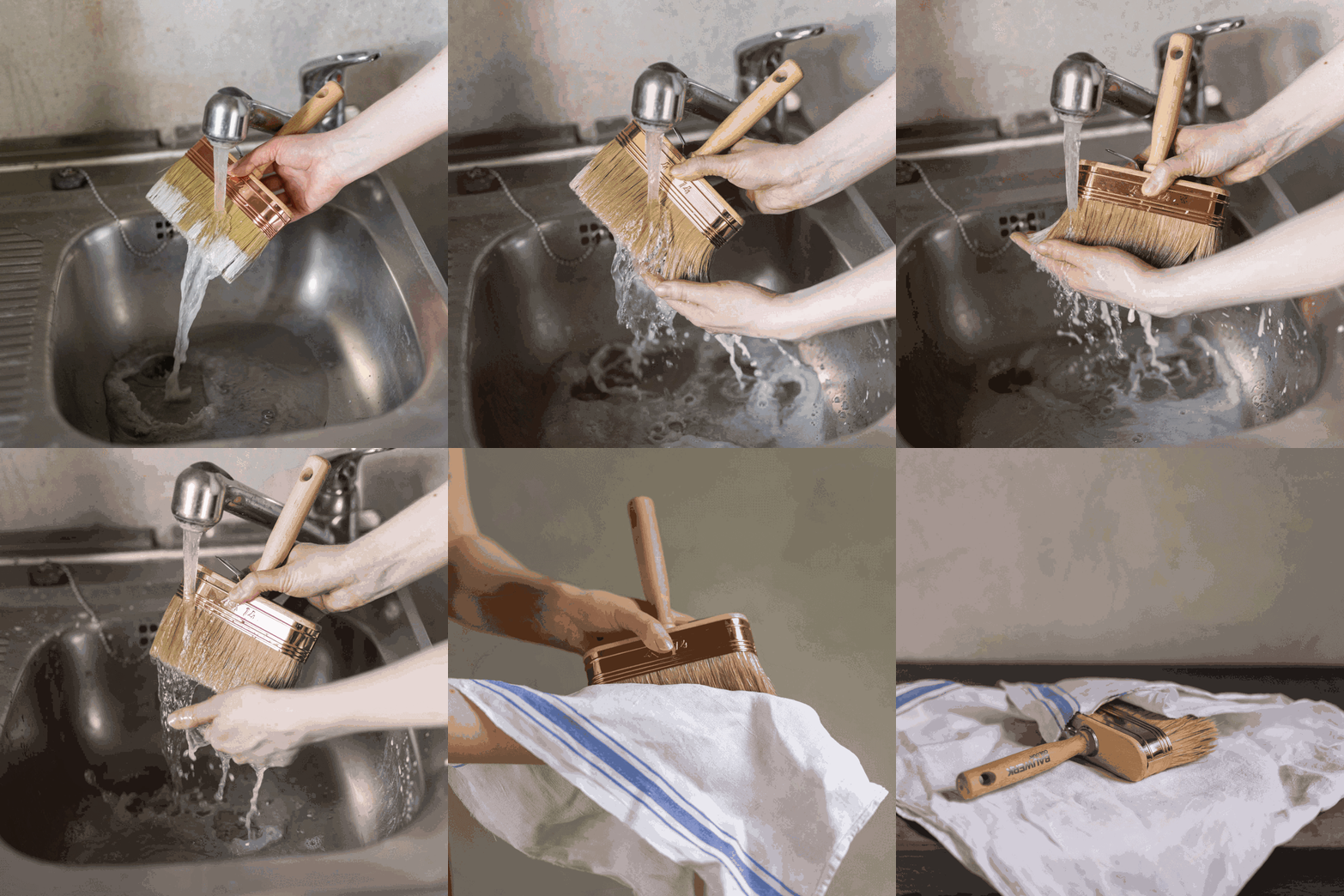
There is no need for a conventional sealer or additional top coat over the limewash. If you would like greater coverage or a deeper colour, a third coat of LaRosa Limewash can be applied once the previous coats have dried. Clean your brushes, tools and containers with water soon after use. Limewash creates a natural, breathable style mineral finish that can be refreshed over time with additional coats when required.
FAQ for Mixed and Repaired Surfaces
What should I know when choosing and sampling my limewash colour?
Colour can appear different depending on the amount and direction of light, particularly on exterior surfaces. For the most accurate result, we recommend applying a Sample Pot to a board with a similar material and texture to your wall. You can then move the board around the space and view the colour under different lighting conditions. This is particularly useful when working with naturally absorbent surfaces such as render, lime plaster or unpainted brick, where applying samples directly to the wall may create visible patches. If your interior rendered wall has previously been painted with conventional paint, it may require LaRosa Prep Coat before limewashing. For exterior surfaces, a suitable exterior preparation such as acrylic render may be required.
My walls are made from different materials. Can I still use limewash?
Yes. LaRosa Limewash can be applied to walls made from different substrates, provided each material is correctly prepared. Keep in mind that different materials may absorb limewash differently. This can create natural variation in the finished colour and texture. If you prefer a more uniform appearance, use the preparation method recommended for your particular surface.
Will limewash colour fade outdoors?
Exterior limewash is exposed to sunlight and weather, so some natural change in colour can occur over time. The amount of change and maintenance required will depend on the surface, exposure, weather conditions and preparation.
How much LaRosa Limewash do I need?
Coverage depends on your surface and how it has been prepared.
As a general guide:
Raw absorbent walls: 7–10 m²/L/coat
Over LaRosa Prep Coat: 10–15 m²/L/coat
Previously painted/sealed exterior walls: 15–20 m²/L/coat
Two coats are required. Actual coverage will vary, so we recommend using a LaRosa colour tester to test your surface before purchasing your full quantity.
How can I create a more uniform look on a mixed material wall?
The key is to make the different substrates as consistent as possible before limewashing. For interior walls, this generally means applying 2 coats of a suitable water based undercoat sealer/primer, followed by 1 coat of LaRosa Prep Coat. For exterior walls, a suitable thin acrylic render can help create a more consistent absorbent base before applying limewash. If you prefer the natural character of mixed materials, you can use less preparation and allow the differences in absorbency to contribute to the final finish.