To mix a full bag: Add 3 L of warm tap water (approximately 50°C) to a clean bucket. Avoid boiling or cold water, as this can affect the consistency of the limewash. For a more textured finish, use slightly less water.
To mix a smaller batch: Use approximately 1 L of warm water per 520 g of powder. Aim for a consistency similar to whole milk. If the mixture is too thick, gradually add a little more water.
Step 2: Mix
Slowly add the limewash powder to the water while mixing. Mix thoroughly for approximately 3 minutes, until smooth and free of lumps. Continue stirring regularly throughout the application to keep the pigment evenly distributed.
The consistency should be similar to whole milk. If it is not, add more water.
Step 3: Paint
Apply to your prepared wall using a natural bristle limewash brush in overlapping, crisscross strokes. Make sure your surface is fully prepared and dry before painting. The colour may appear lighter as it dries, so allow the first coat to dry fully before assessing the final colour.
Wait approximately 3–4 hours before applying the second coat. Between coats, cover any leftover limewash and store it in a cool, dark place. If it thickens, add a little water and stir thoroughly before continuing.
Note: A slightly chalky or powdery feel is a completely normal part of the limewash curing process.
Surface Preparation and Compatibility:
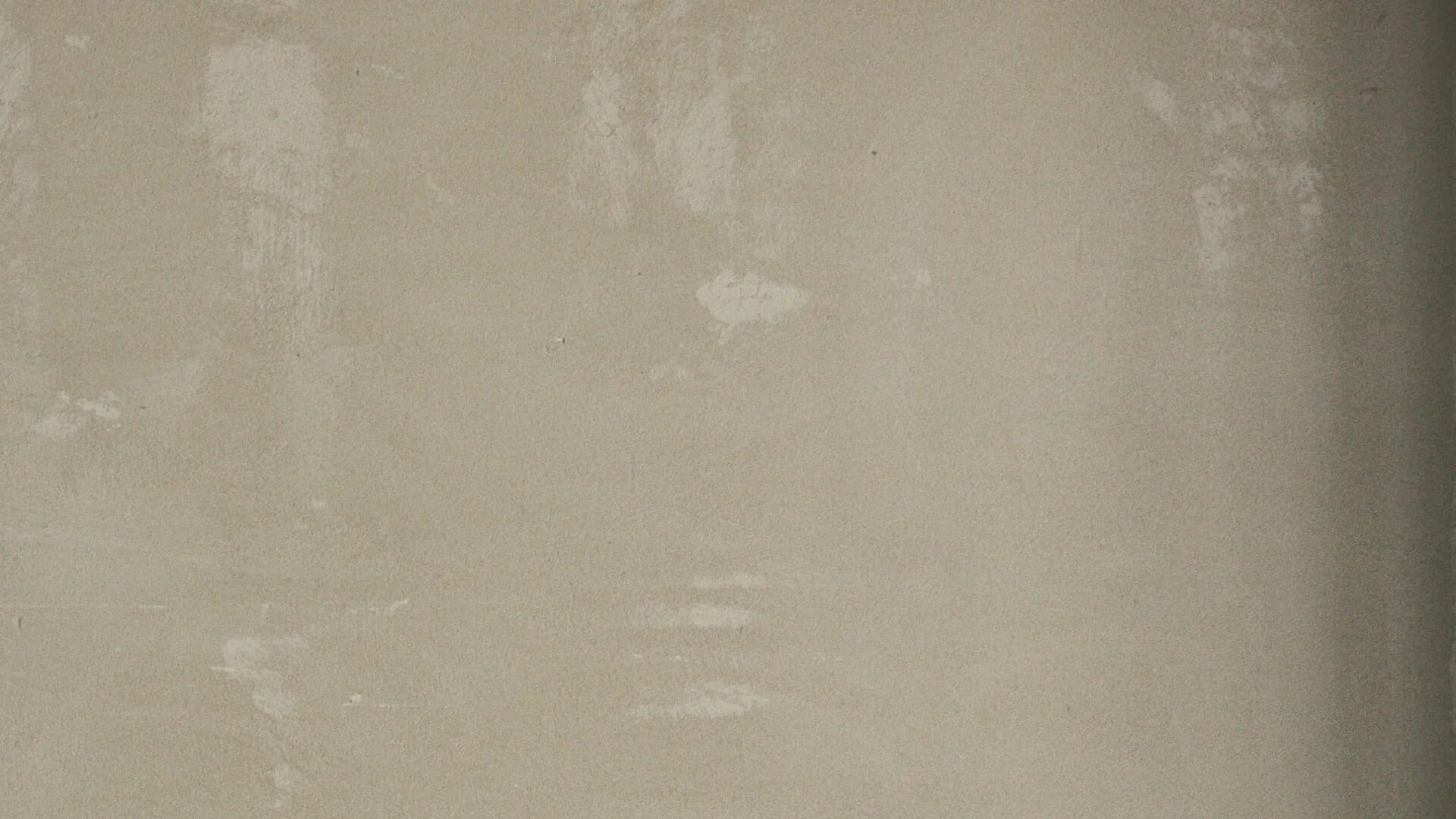
The finished look can differ depending on the surface, lighting and preparation. Some surfaces require a primer or prep coat, while naturally absorbent surfaces such as unpainted brick and render generally do not. Always follow the preparation recommendations for your specific surface before applying limewash.
Painted interior walls
Primer recommended: Yes
A suitable water based undercoat is recommended. For the best results, apply LaRosa Limewash Primer over the undercoat to help regulate absorption and improve the finish.
Unpainted interior plasterboard
Primer recommended: Yes
Apply 2 coats of a suitable water based undercoat. Follow with LaRosa Limewash Primer for the best results.
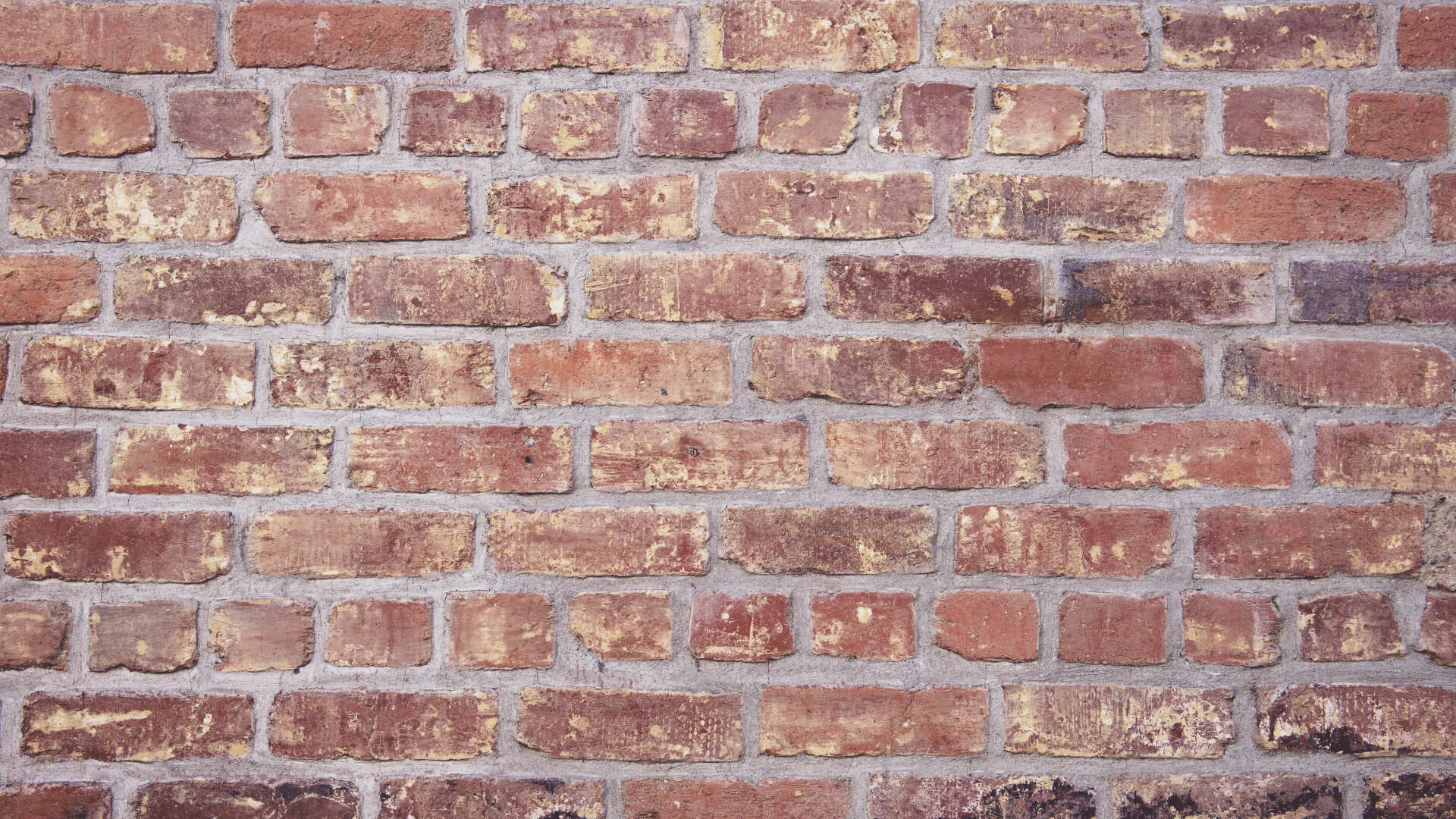
Unpainted brick
Primer recommended: No
Primer is generally not required because brick is naturally absorbent. Coverage may be lower on porous surfaces.
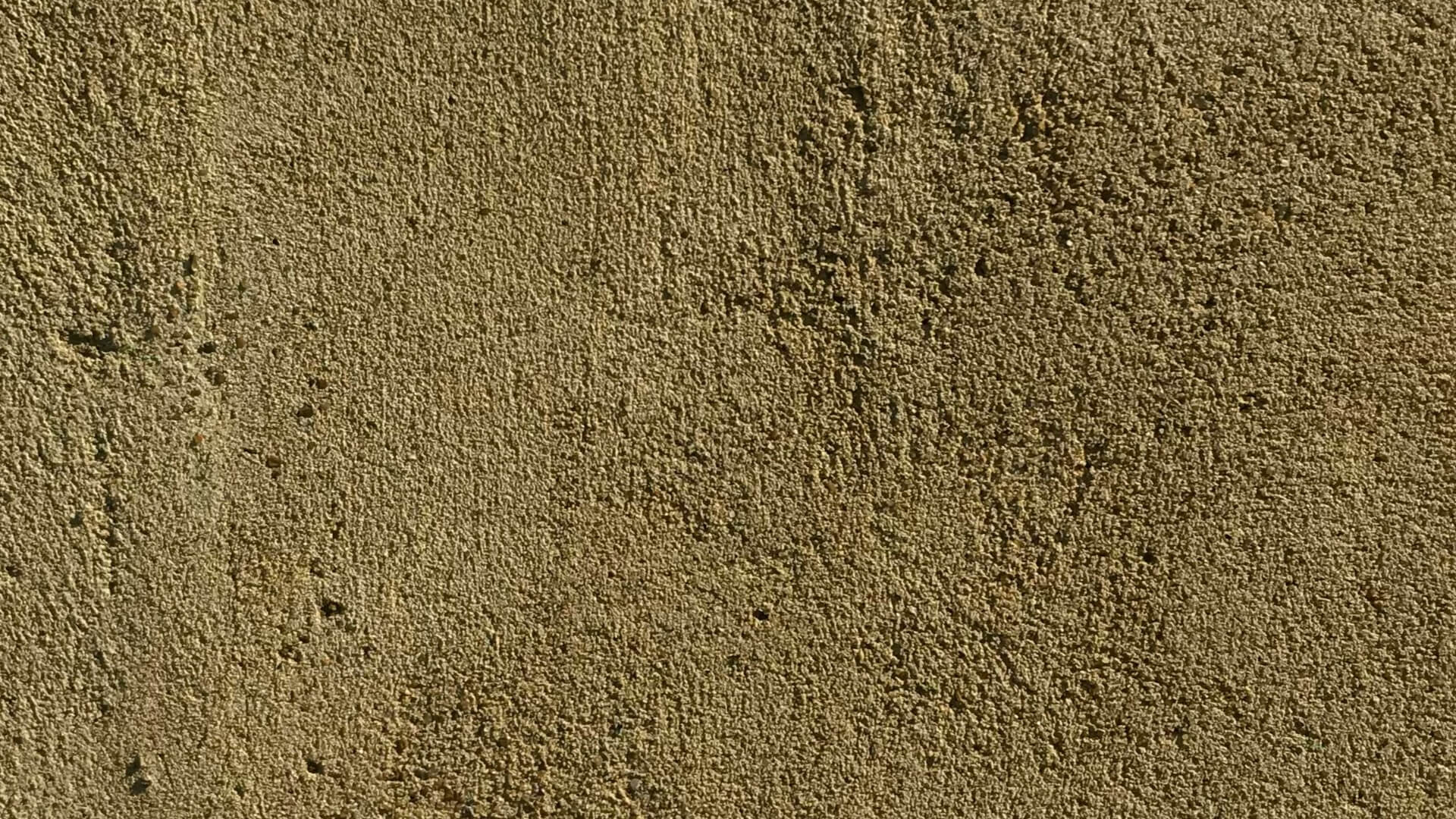
Render
Primer recommended: No
Primer is generally not required on suitable, unpainted render. Coverage may be lower because of how absorbent the surface is.
Fibre cement
Primer recommended: Yes
Fibre cement is a dense, low absorbency surface. We recommend LaRosa Limewash Primer to help regulate absorption and improve adhesion.
Other masonry
Primer recommended: Yes
A suitable primer is recommended. Coverage may be lower on porous surfaces.
Choosing the Right Primer:
Different surfaces require different preparation. Depending on your wall, you may need a water based undercoat, LaRosa Limewash Primer, or both.
Water Based Undercoat
Use when you need to seal the surface or create an even base, particularly for:
New or repaired plasterboard
Dark existing paint colours
Surfaces with significant colour variation
LaRosa Limewash Primer
Use to help regulate absorption and prepare the surface for limewash, particularly on:
Fibre cement
Previously painted walls
Mixed or uneven substrates
Where both sealing and mineral preparation are required, LaRosa Limewash Primer can be applied over a suitable water based undercoat. We do not recommend oil based, glossy or highly sealed primers. They can restrict breathability and affect limewash adhesion.
Important information
Safety
Limewash has high alkaline levels while being mixed and when wet. We recommend wearing gloves, safety glasses and a suitable face mask when mixing and applying the product. If limewash comes into contact with your skin, rinse thoroughly with water. If it gets into your eyes, flush immediately with clean water or eyewash and seek medical attention if irritation persists.
Tools
You’ll need:
a clean bucket
a kitchen whisk or mixing paddle
a natural bristle limewash brush. We do not recommend applying limewash with a roller or paint sprayer. Rollers can leave marks and lap lines, while limewash may clog paint sprayers.
Coverage
Typical coverage is approximately 7.5 m² per litre, based on two coats.
Coverage will vary depending on the surface. Porous materials such as brick and render will generally require more paint.
Customer service
We’re here to help. Get in touch with our team. You can contact us here.
Fast Free Shipping
Enjoy free shipping on orders over $90
Let’s connect
Join our Insta @LaRasoaColours
Secure payment
Your payment information is processed securely, so you can shop with confidence.
In order to provide you a personalized shopping experience, our site uses cookies. cookie policy.